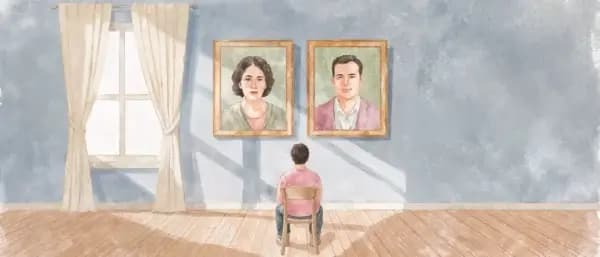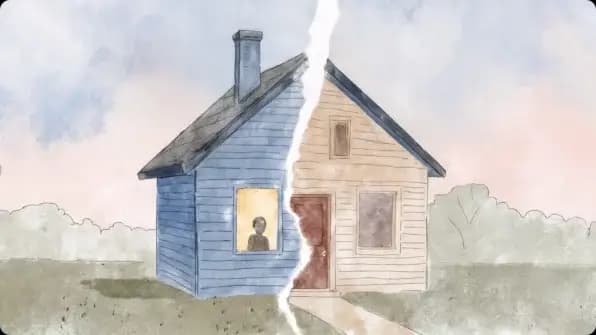


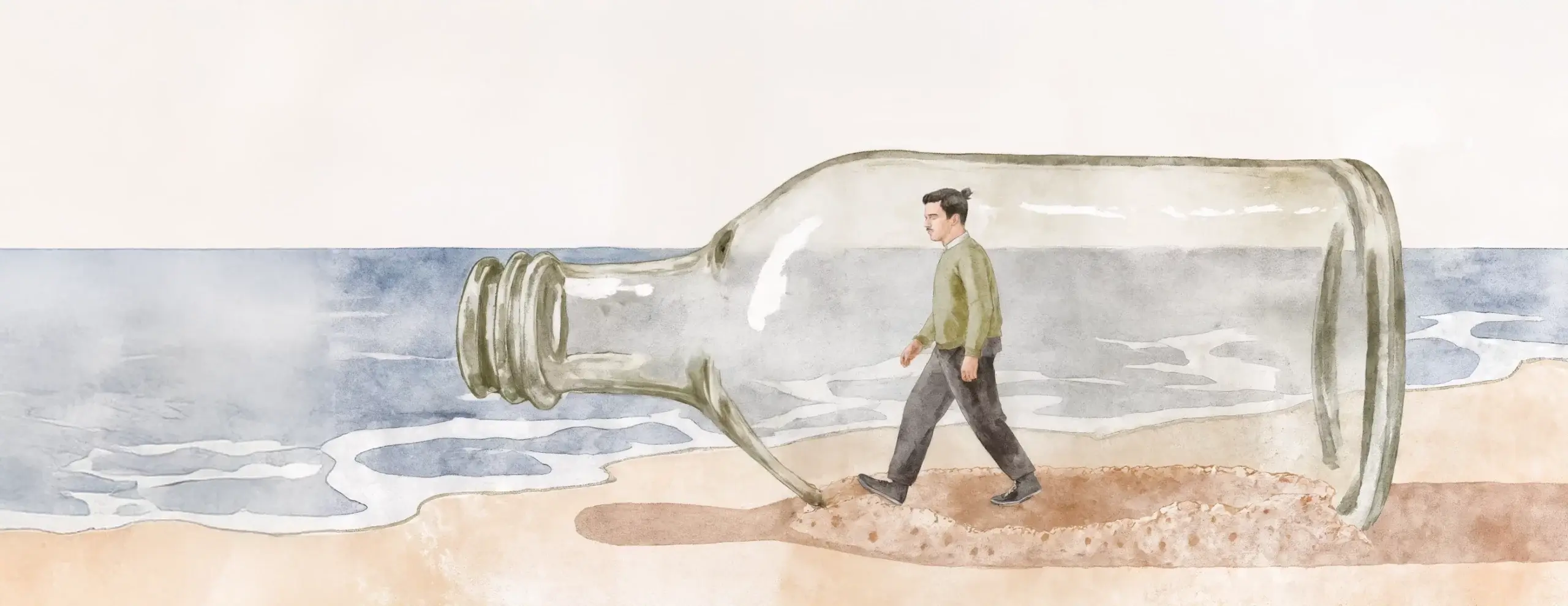
Growing up in a dysfunctional family where either one or both parents had a substance abuse disorder can have a serious impact on one’s life. Let’s discover the risk factors and personality characteristics of adult children of alcoholics and how to heal and break the cycle.

What Does It Mean to Be an Adult Child of an Alcoholic?
Adult children of alcoholics (ACoAs) is a term used to describe people who grew up in families where one or both parents had substance use disorders. They experienced the negative effects of parental alcoholism in childhood, which affected their psychological well-being and behavior in adulthood, according to the Dysfunctional Families World Service Organization.
The concept of ACoA became widespread thanks to a clinical psychology review by the American psychologist Janet Woititz, who spent over 20 years helping people raised in alcoholic family environments. Among the most common characteristics Woititz described were chronic self-doubt, difficulty trusting others, and a tendency to remain on the lookout for problems even in safe situations. Many adult children learned early to read moods, avoid conflict, and take on responsibility beyond their years.
Expert Insight
It is common for an alcoholic to present as a ‘functioning alcoholic’ and appear capable of leading a normal and functioning life. However, it’s behind the closed doors of a home that this facade can slip and create a culture of unintentional gaslighting for children. These children witness their parent’s capabilities to present well, but struggle in isolation within the immediate family. This can be incredibly disorienting to a child growing up within this family system.

Katherine Scott
Mental health professional
Common Characteristics of Adult Children of Alcoholics
Here are the most common personality traits of people who experienced parents’ alcoholism:
1. The desire to please
Adult children of alcoholics learn that their parents usually ignore them when their needs conflict with their wishes. That’s why they may engage in people-pleasing behavior to avoid conflict or criticism, or distract from the dysfunction that the alcoholism perpetuates.
2. Constant feelings of guilt and shame
An ACoA may consider themselves responsible for family problems and experience irrational feelings of guilt for their parents’ behavior. This arises because, as children, they had to ignore their desires for the sake of “family peace.” Additionally, a child may have grown up with the illusion of more control over family member’s emotional states than was realistic or fair.
3. Trust difficulties
Adult children of alcoholics may fear intimacy and find it difficult to trust people due to the unpredictability of their alcoholic parents’ behavior.
4. Hyper-vigilance and control seeking
People from dysfunctional families may experience constant stress due to the need to be prepared for any problem. As adults, they try to control their own lives so others feel safe.
5. Low self-esteem
In a chaotic and unpredictable environment, it is difficult for a child to develop a sense of self-worth and their values. That’s why in adulthood, they can feel worthless and dissatisfied with themselves, perceiving any mistakes as confirmation of their inferiority, or seeking validation through external versus internal sources.
6. Difficulty managing emotions
Adult children of alcoholics may either suppress their feelings or be unable to express emotions constructively. According to research, the main reason is parentification trauma. In a dysfunctional family structure, kids may have been forced to assume the role of parent for siblings or even for their parents, which may lead to difficulties in expressing or meeting their needs.
7. Fear of authority figures
They may experience feelings of anxiety in the presence of people in positions of power or authority due to their association with aggressive, unpredictable, or domineering alcoholic parents.
8. Tendency to take situations and comments personally
Many adult children struggle with a tendency to take things personally, even when no harm is intended. This may develop in childhood environments that felt unpredictable or emotionally unsafe. In those settings, staying alert to shifts in mood or tone was a way to avoid trouble, not a personality trait.
Low self-esteem can intensify this pattern. Adult children may carry a quiet but persistent belief that they are the problem. When they experience tension or criticism, their thoughts immediately shift inward: “Did I do something wrong?” This fear of rejection can make any feedback feel like confirmation of long-held doubts.
9. Perfectionism
Due to a lack of predictable or unconditional love from parents, adult children of alcoholics may strive for perfection to avoid judgment or prove their worth by earning love and approval through achievement.
10. Difficulty setting boundaries
Living with blurred or violated personal boundaries for children of alcoholics leads to difficulties establishing them in their adult relationships. They may be used to living with shifting rules, mixed messages, or unspoken tensions.
As a result, adult children may question their reactions or feel uncertain about what is reasonable to expect from others. They might tolerate unhealthy dynamics longer than they should or feel confused when faced with stability and consistency. In healthier environments, this can lead to a lingering sense of discomfort, as calm situations may feel unfamiliar or even unsafe.
Consequently, as adults, they may find themselves subconsciously drawn to narcissistic personalities, whose dominant and “boundary-blind” behavior feels familiar.
If you consistently question your emotions, behave cautiously, or experience emotional exhaustion, your partner’s behavior might be more significant than you realize. What feels like “chemistry” may actually be a repetition of early boundary violations. Take the test to find out if you’re experiencing narcissistic abuse in your romantic relationships.

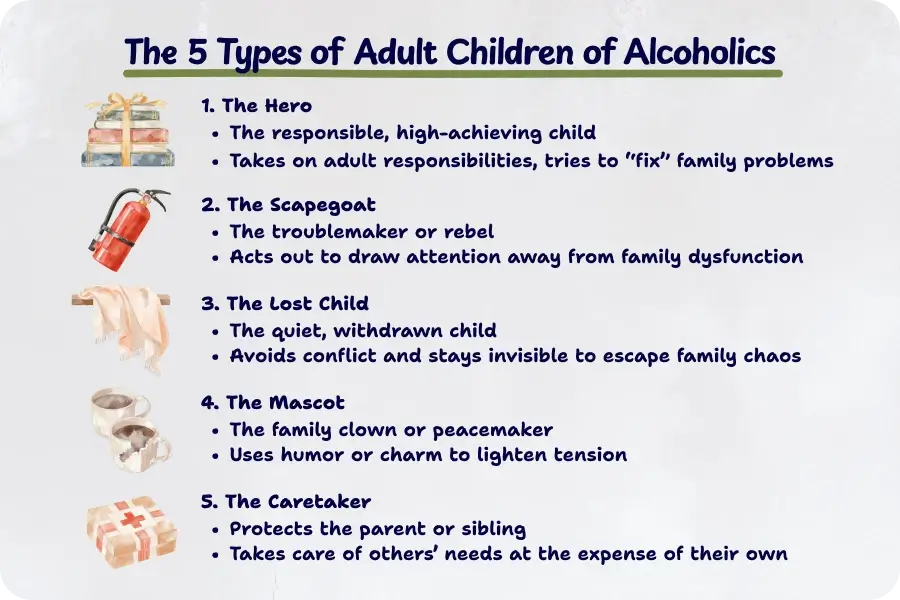
The 5 Types of Adult Children of Alcoholics
According to research on favoritism in dysfunctional families, one of the common characteristics of adult children of alcoholics is that they may adopt certain roles for survival.
| The Hero (Overachiever) | The Scapegoat (Problem Child) | The Lost Child (The Dreamer) | The Mascot (The Joker) | The Caretaker (The Enabler) |
| Tries to make a family seem normal and reduce tension by overachieving | Differs from others and, because of this, gets blamed for family problems | Withdraws from conflicts and tries not to attract attention | Jokes to lighten up the atmosphere and shift attention from family problems | Tries to keep everyone happy and maintain harmony |
Whatever role you take on, it’s usually not a problem unless it becomes unbalanced, enmeshed, or harmful to your mental health.
How Growing Up with Alcoholic Parents Affects Your Mental Health in Adulthood
Adult children of alcoholics may grow up in an unpredictable, chaotic, and emotionally unsafe environment. To handle these conditions, they develop specific coping strategies that shape their personality and behavior:
- fear of criticism and imposter syndrome;
- outward coldness and detachment;
- social isolation;
- doubts about their abilities and excessive self-criticism;
- pathological responsibility or, conversely, irresponsibility;
- ignoring norms and rules;
- a tendency to lie;
- difficulty communicating;
- a heightened vulnerability to alcohol use disorder due to repeating their parents’ behavior as a way to cope with internal conflicts and pain.
Expert Insight
Growing up with an alcoholic parent or parents can influence your sense of self and sense of perceived control as you become older. Children naturally take on blame or responsibility for other’s emotional states due to the egocentrism we are born with. While developmentally, our sense of the greater world and our place in it expands, our beliefs about what is within our control can become stunted within the family system of an alcoholic parent. A lot of regulating responsibility is placed on the child to make up for the escapism that the alcoholic parent utilizes to cope. This is pressuring the child to seek coping habits such as perfectionism, an uncertain sense of self, guilt as a motivator, or suppressing healthy emotional awareness development for the sake of keeping the peace within the home.
Katherine Scott
Mental health professional
Can ACoA Traits Be Effectively Managed? Healing and Recovery
Recovery for adult children of alcoholics involves different approaches that can be both individual and group.
1. Therapy
Especially helpful trauma-informed therapy types include:
- Attachment-focused therapy explores client-caregiver dynamics, attachment styles, and relationship patterns. It strengthens secure attachment through corrective emotional experiences.
- Schema therapy combines cognitive, behavioral, and experiential techniques and challenges negative beliefs and unmet emotional needs.
- Internal Family Systems (IFS) identifies protective, wounded, and managerial parts and works with the self as a compassionate leader to heal internal conflicts.
- EMDR uses bilateral stimulation (eye movements, taps, and sounds) to process traumatic memories.
- Somatic approaches focus on bodily sensations to release tension and trauma.
2. Family therapy
It can be helpful for some adult children of alcoholics, but it is not required for healing and is not appropriate in all cases. It is most effective when at least one caregiver is emotionally available and willing to take responsibility for their behavior.
Helpful approaches include:
- Family systems therapy examines dysfunctional roles, unspoken rules, and intergenerational patterns.
- Multigenerational/Bowenian therapy explores emotional cutoffs, triangulation, and inherited coping strategies.
- Structural family therapy focuses on boundaries, hierarchy, and role confusion. It’s particularly useful when adult children were parentified or placed in inappropriate emotional roles.
3. Support groups
Support groups for adult children of alcoholics play an important role in overcoming the symptoms of the syndrome for three reasons:
- Safe space. Support groups for adult children of alcoholics create a space for sharing experiences and receiving emotional support—participants learn to understand that they are not alone in their experiences.
- A clear path. Typically, ACoA support group members follow 12-step programs based on the principles of Alcoholics Anonymous. The Mental Health Services Administration helps people to understand the impact of past experiences on their behavior and develop healthy boundaries or loosen their control.
- Assistance in working with emotions. Psychoeducational groups teach adult children of alcoholics skills in emotional regulation, communication, and self-help techniques.
4. Grounding technique to reduce overwhelm & hypervigilance
Try grounding yourself to calm the nervous system before thinking your way out. Do this at the first hint of tension, not when you’re already spiraling.
- Name 3 things you see, 2 things you feel physically, 1 thing you hear
- Breathe in 4 seconds and out 6 seconds (5 rounds at minimum)
- Look around the room and name items that are every color of the rainbow.
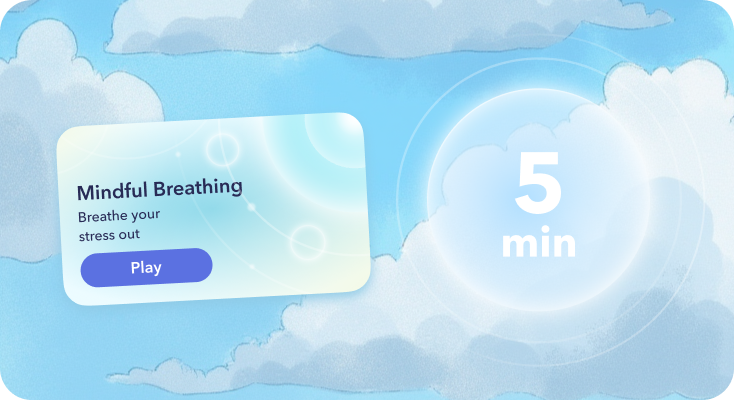
You can also try mindful breathing and play a relaxation game in the Breeze app to stay in the present moment and recharge.
5. “Whose job is this?” exercise to deal with over-responsibility
Adult children of alcoholics may take on emotional labor that isn’t theirs. When you feel pressure to fix, rescue, or manage, draw three columns and place the issue into one column only:
- My responsibility
- Not my responsibility
- Shared responsibility.
Examples:
- Someone’s disappointment → Not my responsibility
- Communicating my limits → My responsibility
- A work project with others → Shared responsibility
Looking for more self-discovery tests? In the Breeze app, you may find quizzes on your values, attachment style, temperament, friendship, and romantic relationship patterns, and much more.
6. The “Pause Rule” for overcoming people-pleasing
This exercise trains your system to check your needs first. The goal is to stop automatic “yes” responses. When asked for anything:
- Say, “Let me check and get back to you,” or “I need a bit to think about that.” No justifying or softening with “sorry” unless you harmed someone. Practice this exercise out loud when alone.
- Wait at least 10 minutes before responding while grounding yourself and prioritizing emotional regulation.

7. Daily self-check for better emotional regulation
Try emotion coaching. Practice naming feelings without judgment and responding with care: “It makes sense. I feel anxious. What would help right now?” Before reacting or making a decision, ask:
- Am I responding to the present moment or to an old pattern from my childhood?
- What am I feeling right now (emotion, not thought)?
- Do I feel responsible for someone else’s emotions or outcomes?
- Am I ignoring my own needs to keep the peace or avoid conflict?
- Am I people-pleasing, over-explaining, or trying to control the situation?
- What would a self-respecting choice look like here—even if it’s uncomfortable?
8. Body scan for suppressed emotions
As adult children of alcoholics may intellectualize emotions instead of feeling them, try this once per day:
- Close your eyes
- Scan from head to feet
- Ask: Where is there tension, heaviness, heat, or numbness?
- Name it without fixing it: “Tight chest,” “Heavy stomach”
- Place a hand there and breathe 3 times
- Give yourself permission to feel the feeling without shame or guilt.
9. Inner child reorientation if you experience emotional flashbacks
Use when reactions feel too intense for the situation.
- How old do I feel right now?
- What does this younger part need to hear?
- Then say, “I’m an adult now. I can protect us. This moment is different.”
Conclusion
Adult children of alcoholics are tormented by feelings of shame and guilt. They may be ashamed of both their parents and themselves. At the same time, they strive for their significant other’s approval, love, and recognition. Besides, they can have an imbalance in responsibility: they are either hyper-responsible, trying to regain control over their lives, or, conversely, they avoid responsibility entirely.
As their boundaries were often violated and their feelings were ignored in their dysfunctional families, adult children of alcoholics may not know what healthy relationships may look like. This may lead them to engage in unhealthy relationships or select abusive partners.
Deconstructing these childhood coping mechanisms to establish more adaptive behaviors in adulthood is the focus of the recovery process for adult children of alcoholics. Clinical interventions such as trauma-informed therapy, support groups, and cognitive exercises allow them to identify the difference between past survival strategies and current reality.
Frequently asked questions
1. What are the trauma symptoms of adult children of alcoholics?
Adult children of alcoholics often carry trauma responses that developed in unpredictable or emotionally unsafe homes. Common symptoms include chronic anxiety, hypervigilance, low self-esteem, difficulty trusting others, and a fear of conflict or abandonment. Adult children may struggle with emotional regulation, personal criticism, shame, or feeling “different” without knowing why.
2. What happens to adult children of alcoholics?
Growing up around family members who experience substance abuse typically forces children to mature too quickly. Many adult children take on caretaker roles or suppress their own needs to stay safe. In adulthood, this can show up as perfectionism, over-responsibility, trouble setting boundaries, or difficulty building positive relationships.
3. Can you recover from ACoA traits without going to meetings?
Yes. While ACoA or 12-step groups are useful for many adult children, they are not the sole path to treating adult children. Recovery can also happen through trauma-informed therapy, somatic work, inner-child healing, understanding about nervous system responses, journaling, and creating healthy relationships.
Sources
- Adult Children of Alcoholics & Dysfunctional Families World Service Organization. Am I an Adult Child?
- Lisa M. Hooper. Parentification. January 2014
- Karla Van Leeuwen. Scapegoating and Favoritism. January 2020
Disclaimer
This article is for general informative and self-discovery purposes only. It should not replace expert guidance from professionals.
Any action you take in response to the information in this article, whether directly or indirectly, is solely your responsibility and is done at your own risk. Breeze content team and its mental health experts disclaim any liability, loss, or risk, personal, professional, or otherwise, which may result from the use and/or application of any content.
Always consult your doctor or other certified health practitioner with any medical questions or concerns
Breeze articles exclusively cite trusted sources, such as academic research institutions and medical associations, including research and studies from PubMed, ResearchGate, or similar databases. Examine our subject-matter editors and editorial process to see how we verify facts and maintain the accuracy, reliability, and trustworthiness of our material.
Was this article helpful?