


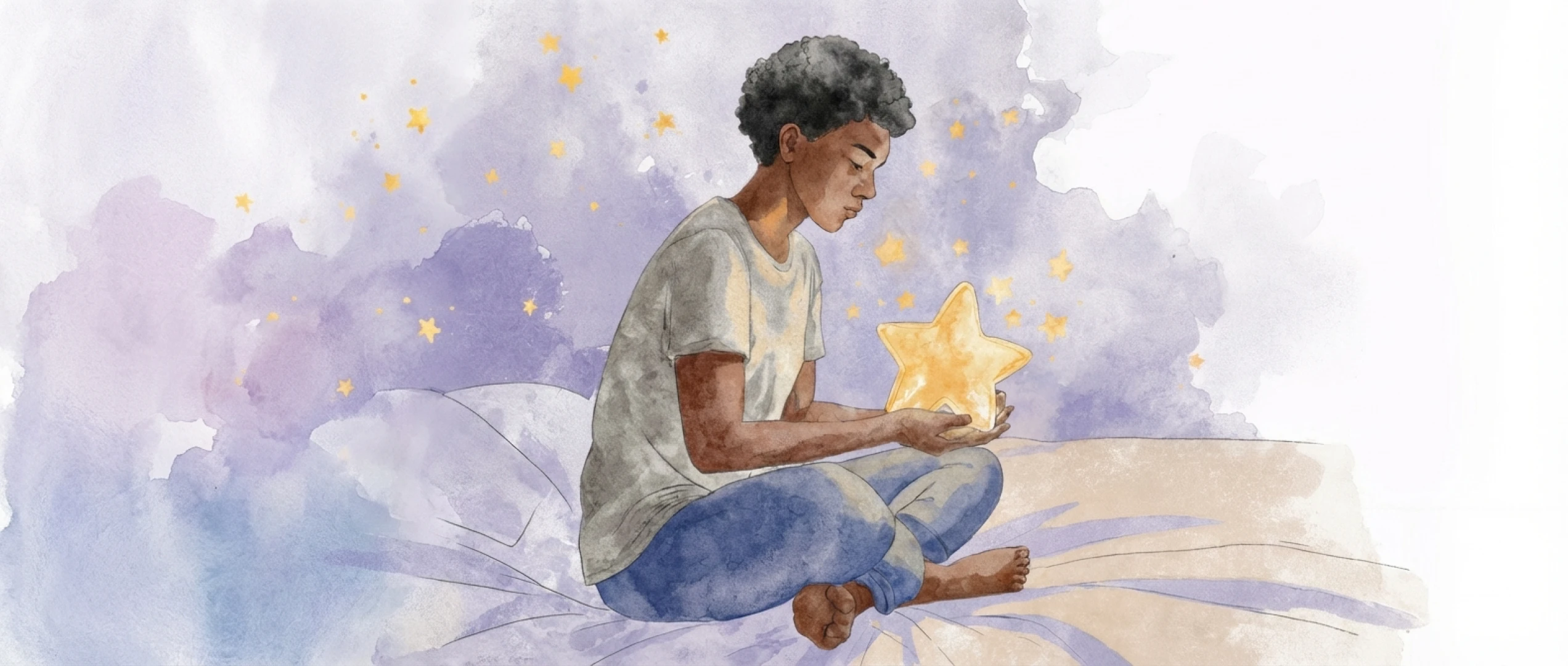
Practicing gratitude improves emotional well-being and life satisfaction, as found in studies after the COVID-19 pandemic [1] Diniz G, Korkes L, Tristão LS, Pelegrini R, Bellodi PL, Bernardo WM. The effects of gratitude interventions: a systematic review and meta-analysis. July 2023. . Writing down what you’re grateful for regularly can help shift your focus from what’s missing in your life or not going well to harnessing the positive moments.
Let’s find out how to feel gratitude and value the positive aspects of your life. Start by taking an insightful test to understand how effectively you cope with life’s ups and downs.

What Does It Mean to Practice Gratitude
The gratitude practice is expressing appreciation for yourself, other people, and positive events in your life. Gratitude is honest and does not sugarcoat: it invites you to notice the good without pretending everything is perfect.
This practice is closely linked to positive psychology, which suggests that a person’s happiness depends largely on their own actions, positive mindset, and attitude toward current events [2] Liz Gulliford and Blaire Morgan. The Meaning and Valence of Gratitude in Positive Psychology. . For example, if you’re caught in the rain, you can be angry about the bad weather, or you can shift your attention to small, comforting moments that follow, like warming up with a hot cup of tea. You may say to yourself, “I’m grateful for my cozy home” or “I’m thankful for my adorable dog” to appreciate the little things you have.
From the perspective of positive psychology, life isn’t just about avoiding or solving problems. According to this approach, positive emotions like joy, curiosity, inspiration, satisfaction, hope, or gratitude influence cognition, improving attention, memory, and openness to new experiences. They also allow one to live in the moment and boost happiness.
Looking for more quizzes to improve self-awareness? You can analyze specific personality traits and behavioral patterns in the Breeze app. There are more than 30 personality tests where you can learn more about your:
- Relationship patterns
- Past wounds
- Certain traits
- Growth opportunities
- The way you communicate with others
Why Practicing Gratitude Matters: 5 Benefits for Your Mental And Physical Health
Consistent practice of gratitude has numerous benefits for your mental and physical health:
1. It makes you happier
Focusing on the positive aspects of life can shift your mindset and improve how you show up in your relationships, work, and daily experiences. In positive psychology research, gratitude is associated with greater happiness [3] Harvard Health Publishing. Giving thanks can make you happier. August 2021. .
2. It helps manage stress
Practicing gratitude can help you process your thoughts, feel your feelings, cope with everyday difficulties and stressful situations, according to research conducted during the pandemic [1] Diniz G, Korkes L, Tristão LS, Pelegrini R, Bellodi PL, Bernardo WM. The effects of gratitude interventions: a systematic review and meta-analysis. July 2023. . Scientists suggested that people use writing practices to cope with negative experiences.
One group wrote gratitude letters for five minutes daily for a week, the second group spent the same amount of time on expressive writing, and the third didn’t engage in any activity. After a week, the participants who wrote gratitude letters showed a significant increase in their gratitude levels and a decrease in stress. The other two groups showed no such changes. The reduction in stress levels was maintained even for a month after the experiment.
3. It improves sleep
Gratitude may help reduce stress, helping the body relax and prepare for sleep. Scientists have found that people with higher levels of gratitude have better sleep quality [5] Alkozei A, Smith R, Kotzin MD, Waugaman DL, Killgore WDS. The Association Between Trait Gratitude and Self-Reported Sleep Quality Is Mediated by Depressive Mood State. Jan-Feb 2019 . This is likely because stress and negative thoughts are common causes of sleep problems.
4. It reduces anxiety and depression
Sixty-four randomized clinical trials show that patients who practiced gratitude experienced fewer symptoms of anxiety and depression [1] Diniz G, Korkes L, Tristão LS, Pelegrini R, Bellodi PL, Bernardo WM. The effects of gratitude interventions: a systematic review and meta-analysis. July 2023. . Researchers believe this happens because gratitude shifts attention away from constant threat-monitoring, overthinking, rumination, and negative self-talk.
5. It increases motivation
Looking back on your achievements may spark a sense of pride and drive you to keep pushing forward. You may write something like: “I’m grateful for how much I’ve grown in my job this year. I’m amazed at how much I’ve learned.” According to research on positive emotions, writing about what you’re grateful for can boost energy and intrinsic motivation [4] Christina N. Armenta, Megan M. Fritz, Sonja Lyubomirsky. Functions of Positive Emotions: Gratitude as a Motivator of Self-Improvement and Positive Change. July 2017. .
Wondering, “Why am I so unmotivated?” or simply want to learn more about yourself? Take a personality type test to get insights!

6 Ways To Practice Gratitude
Here are tips and ideas to help you get started and maintain your gratitude practice daily:
1. Keep a gratitude journal
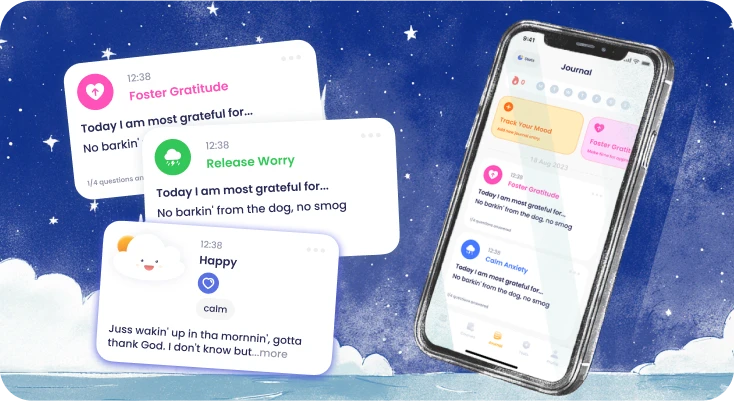
Your gratitude journal is a place to note a few things you appreciate. You may start with five little things every day. Even something as simple as your morning routine, like jogging and having a cup of coffee, can become more meaningful once you recognize how much it supports your physical comfort and emotional balance.
Whether you’re just starting or have been journaling for a while, using the proper gratitude journal prompts can make your practice even more powerful. Breeze journal prompts invite you to identify the aspects of your life that bring you the most joy and satisfaction.
2. Practice morning gratitude
If five things don’t come to mind right away, you can try the daily Morning Minute. Instead of writing a long gratitude list, pick one specific thing. Try not just “my health,” as that is overly broad, but “the energy to walk my dog twice a day.” Or, rather than “my friends,” try “my bestie who always makes me laugh when I’m stressed.” Being specific makes a bigger impact. It helps you orient to why that particular relationship, experience, or item is so meaningful to you.
3. Express gratitude to others with gratitude letters
A gratitude letter, unlike a journal, requires the person for whom you feel gratitude. Professor Martin Seligman, one of the founders of positive psychology, offers the following guidelines for writing a gratitude letter:
1 step. Think of someone who has positively impacted your life, someone you appreciate but perhaps haven’t properly acknowledged.
2 step. Write a letter to that person and describe how you feel about what they’ve done for you and why you’re grateful. This letter should be specific and include mentions of how often you think about the things they’ve done for you. Instead of a simple “thank you for being you,” you should craft a detailed narrative.
3 step. Seligman recommends reading the letter to the recipient, but this isn’t always easy or possible, for example, if the person is no longer with you due to death or a breakup. This doesn’t mean the practice won’t work. In a study where gratitude letters improved participants’ psychological health, only 23% of people showed them to the recipient, yet everyone felt better [6]
Harvard Medical School. In Praise of Gratitude. November 2011
.

4. Reframe challenges with gratitude
The idea is to avoid viewing your daily routine as boring chores. Ideally, you can also find the glimmers in even some of life’s most adverse moments. Think about the pleasure you can get from daily annoyances and turn them into gratitude triggers:
- Traffic jam → More time for your favorite podcast
- Long line at the coffee shop → Time to catch up on emails or check in with a friend
- Computer running slow → Opportunity to take a short break and stretch
5. Practice gratitude meditation or mindfulness
Are you often in a rush to finish tasks and move on to the next thing? Take a moment to ground yourself and focus fully on each task as you do it. For example, take a gratitude walk.
As you walk, pay attention to the sights, sounds, and sensations around you, and notice things you appreciate, like the fresh air, the warmth of the sun, or the sound of birds. This simple practice combines mindfulness with gratitude, helping you to live in the present moment and become aware of the positives in your day.
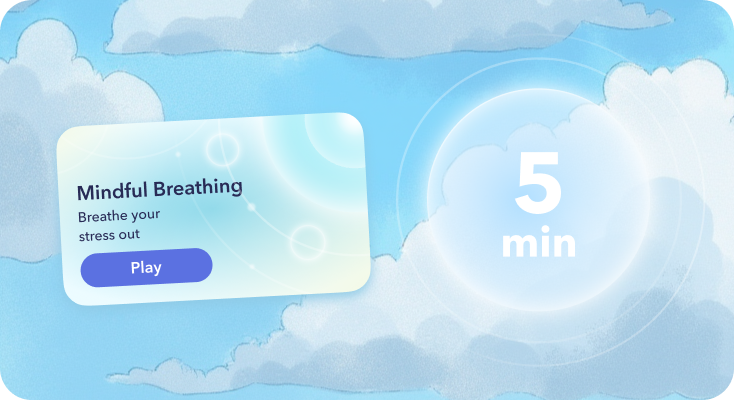
You can also try gratitude meditation using Breeze mindful breathing. Even a few minutes of this practice can allow you to get out of your head and feel thankful.
6. Practice gratitude when you don’t feel grateful
The main goal of practicing gratitude is to train your brain to notice these moments automatically. Think about a difficult time for which you are now grateful. Acknowledging your failures or mistakes can prevent you from repeating them.
What challenges made you stronger? Gratitude may allow you to reflect on your strengths, wins, and difficulties to be the best version of yourself. For example, you may think, “I’m thankful for pushing through all those late nights studying. It was hard, but I’m proud I managed my time better and stayed on top of everything.”
Or, “I’m grateful for the tough conversation I had with my boss last week. It was uncomfortable, but it pushed me to be more initiative and proactive in my work.”

How to Cultivate Gratitude Daily
Patience, consistency, and self-reflection can help you appreciate where you are and inspire you to grow:
- To keep gratitude consistent, you can set a reminder on your phone to remind you to pause during the day and notice pleasant moments or journal about your positive feelings. Even just 5 minutes counts. The more often you do it, the more it becomes a habit.
- Get specific. Instead of thinking, “I’m thankful for my friends,” get into the details. Think about why you’re grateful for them. For example, “I’m thankful for my friend Jake, who always texts me just when I need a laugh.” Or, it can be, “I appreciate my coworker Mark for always stepping in to help with last-minute projects, making my workday so much easier.”
- Celebrate growth. Review your old gratitude journal entries to see how much you’ve changed or what you’ve dealt with. It’s a great way to stay motivated. For instance, after a few weeks, reread your first few entries and notice what’s different or what you’ve learned about yourself.
Expert Insight
Giving back to others can also cultivate and reinforce gratitude. Consider doing random acts of kindness once or twice a week. Notice how it feels to give to another person and to be a source of compassion, safety, or resourcing. These acts can be small- opening the door for someone or sending a quick text to let someone know they are on your mind- but they often have a tremendous impact on your own well-being.

Nicole Arzt
Mental health professional
Gratitude Practice Ideas for Specific Contexts
Here’s how you may practice in different environments and areas of your life:
Gratitude at work
- Start meetings with appreciation, highlight a colleague’s effort, and a small win from the week.
- When someone helps you, send a short message right away or say a quick “thank you” to reinforce positive interactions.
- Start a gratitude jar at work and practice writing thank-you notes. You can note one thing daily you’re thankful for at your job, like productive teamwork, supportive coworkers, or learning opportunities.
- Notice what’s going well and recognize tasks that went smoothly or areas where you made progress.
Gratitude in relationships
- Celebrate small acts of care. Try to lean into mindfulness. Notice gestures like someone making you tea, checking in on you, or offering support. How did these moments affect your mood for the rest of the day? Leave them a message, text, or voice note about something they did that made your day easier or brighter.
- Practice mindful listening. Being fully present in conversations is also a form of gratitude that can show your emotional availability.
- Call a friend or relative you haven’t spoken to in a while. Just let them know you’re thinking about them and want to see how they’re doing.
Using thankful prompts, you can reflect on what you appreciate about your partner, family members, and friends and how they make you feel loved. They can make you think about how to be a better friend or partner yourself:
- Who in your life has made you feel loved today?
- What qualities in your friends are you grateful for?
- Who in your family are you most thankful for, and what have they taught you?
- What’s something special you’ve learned from your partner or significant other?
- What’s one thing your best friend does that you’re grateful for?
- Who has helped you through a tough time recently?
- What’s a memory you cherish with someone close to you?
- What’s one thing that makes your relationship with someone unique?
Gratitude for self
- Make a list of 5–10 positive moments or relationships in your life. These could be happy accidents or situations that turned out well. Perhaps you were lucky to find your partner or a wonderful friend, or you have an interesting job. Write about the best event in your life or an incident that reminded you of the magic of life. Why was this experience unique? Who was there with you? Reflect on why you’re grateful for each one.
- What talents, character traits, or qualities do you possess that are stronger in you than in others? Perhaps you forgive easily or have a great sense of humor. Write them down, and think about how these qualities have positively impacted your life.
- Write about a teacher or mentor you admire and are grateful for in your life. This teacher could be a friend, your parents, a writer, or a public figure. What matters is what you learned from them and what they encourage you to cultivate in yourself. What qualities would you like to adopt from them?
- Open your phone and describe three photos from your gallery that you enjoy seeing. Why are you grateful for this photo? Who in the photo are you grateful to have in your life? While it’s important not to dwell on the past, reflection can help you remember and appreciate important moments and people who have been with you.
- Express gratitude for what you have today that you didn’t have a year ago. It can be a person, a skill, an insight, a job, a gadget, or even a small item that makes your life easier, more comfortable, or simply brings you joy.
Whether it’s a job, travel, education, or relationships, these experiences have shaped who you are today. Writing about them using self-reflection questions can help you appreciate how far you’ve come:
- What’s something new you’ve discovered about yourself that surprised you?
- What strengths of yours are you most grateful for?
- What is a recent achievement that you’re proud of?
- What personal situations have you dealt with that make you feel proud?
- What is a habit you’re grateful for that increases your happiness?
- What’s something you love about your personality?
- When did you last feel completely confident in yourself? Why?
- What limiting belief have you recently changed, and how has it impacted your mindset?
- What’s a skill or talent you’re grateful to have?
Expert Insight
Gratitude can be perceived as a mindset rather than a set of actions. However, the more you implement exercises rooted in gratitude, the more it shapes a mindset of appreciation. So focus on stacking gratitude habits- perfection is not the goal, but aiming for consistency will keep you in a positive state, and that can reinforce ongoing mindfulness and connection to what’s feeling good in life.
Nicole Arzt
Mental health professional
Frequently asked questions
1. What are the 4 A’s of gratitude?
The 4 A’s are often described as:
- Awareness (noticing the good)
- Appreciation (valuing it)
- Acknowledgement (recognizing its impact)
- Action (expressing gratitude through words or behavior)
2. What is the golden rule of gratitude?
The golden rule is to express gratitude consistently, not just when things go well. It emphasizes noticing and appreciating the good, big or small, every day.
3. What is the best time to practice gratitude?
There’s no wrong time. You may choose the time that feels natural and sustainable for you. But the most common and effective are:
- Morning, because it sets a positive tone for the day
- Evening, as it helps reflect and end the day calmly
- During routine moments of the day (brushing your teeth, unloading the dishwasher, walking your dog), as they are consistent and can be used to simply drop into more mindfulness
Sources
- Diniz G, Korkes L, Tristão LS, Pelegrini R, Bellodi PL, Bernardo WM. The effects of gratitude interventions: a systematic review and meta-analysis. July 2023.
- Liz Gulliford and Blaire Morgan. The Meaning and Valence of Gratitude in Positive Psychology.
- Harvard Health Publishing. Giving thanks can make you happier. August 2021.
- Christina N. Armenta, Megan M. Fritz, Sonja Lyubomirsky. Functions of Positive Emotions: Gratitude as a Motivator of Self-Improvement and Positive Change. July 2017.
- Alkozei A, Smith R, Kotzin MD, Waugaman DL, Killgore WDS. The Association Between Trait Gratitude and Self-Reported Sleep Quality Is Mediated by Depressive Mood State. Jan-Feb 2019
- Harvard Medical School. In Praise of Gratitude. November 2011
Disclaimer
This article is for general informative and self-discovery purposes only. It should not replace expert guidance from professionals.
Any action you take in response to the information in this article, whether directly or indirectly, is solely your responsibility and is done at your own risk. Breeze content team and its mental health experts disclaim any liability, loss, or risk, personal, professional, or otherwise, which may result from the use and/or application of any content.
Always consult your doctor or other certified health practitioner with any medical questions or concerns
Breeze articles exclusively cite trusted sources, such as academic research institutions and medical associations, including research and studies from PubMed, ResearchGate, or similar databases. Examine our subject-matter editors and editorial process to see how we verify facts and maintain the accuracy, reliability, and trustworthiness of our material.
Was this article helpful?