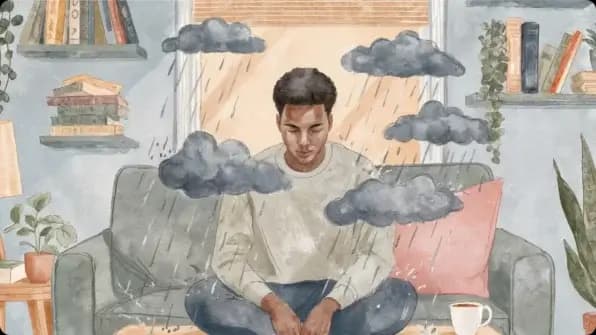


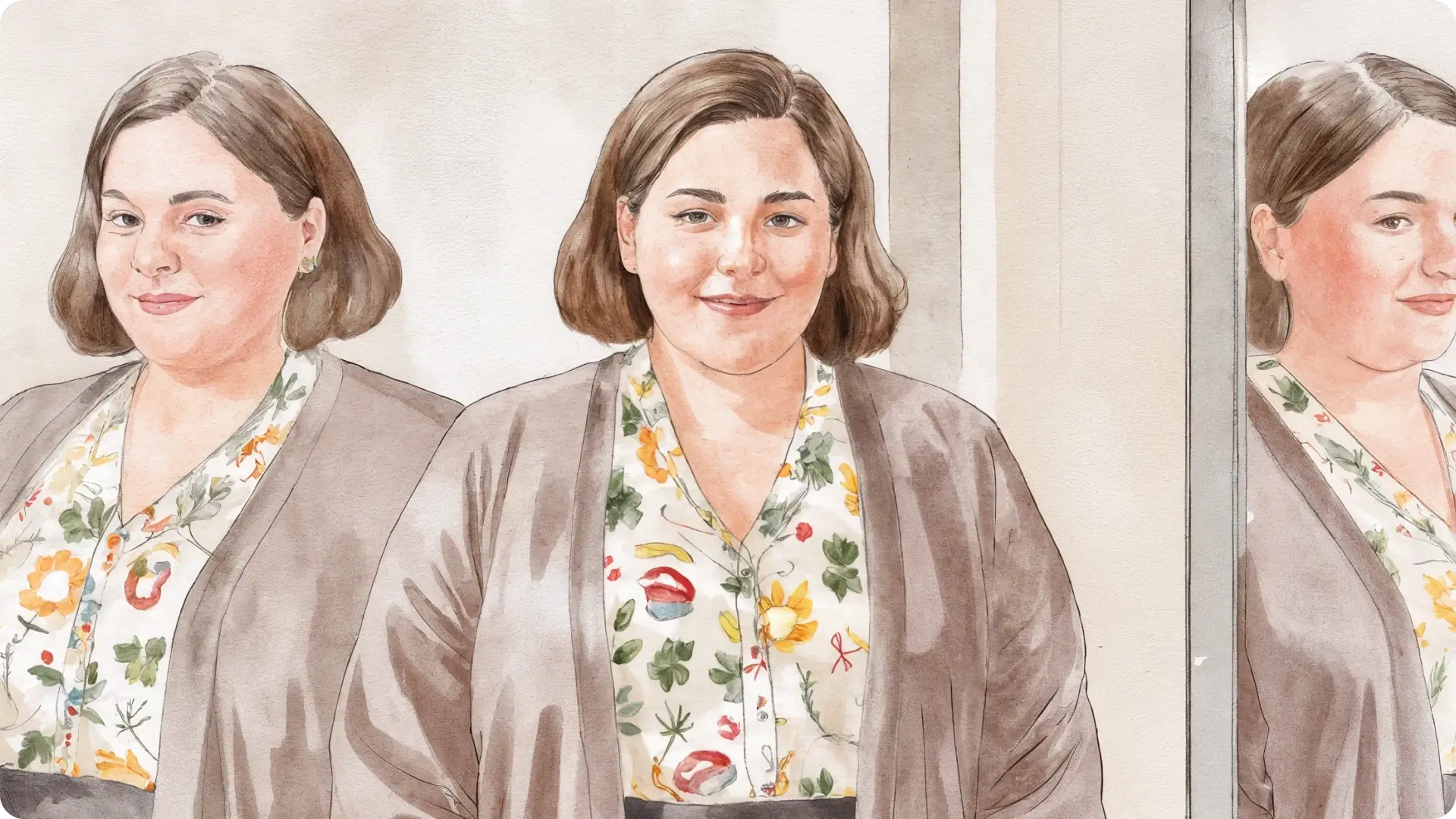
Ever wonder why some people stay ice-cold in a crisis while others panic, or why “social norms” and rules seem to apply to everyone but you? These traits can be the symptoms of antisocial personality disorder (ASPD).
The terms “sociopath” or “psychopath” get thrown around in movies to describe every villain. But in clinical diagnosis and in the Diagnostic and Statistical Manual (DSM-5), there are no such mental health conditions.
This science-backed self-discovery sociopath test can be the first step toward identifying your patterns and building better interpersonal relationships. It can also help you determine whether seeking guidance from a licensed mental health professional for a formal evaluation of an antisocial personality disorder may be appropriate.
Sociopath Test
Read each statement below and choose one of the three answers that describes you best.
1. I find everyday life “too slow” and feel a physical need for high-risk excitement or danger to feel alive.
- Yes
- Sometimes
- No
2. When frustrated, I tend to use intimidation or physical force to get my way or settle an argument.
- Yes
- Sometimes
- No
3. I lie or “con” others effortlessly and without guilt, not always because I have to, but sometimes just to see if I can get away with it.
- Yes
- Sometimes
- No
4. I can mirror people’s emotions to make them trust me, but I don’t actually feel what they are feeling.
- Yes
- Sometimes
- No
5. If my actions cause someone else trouble, I believe it is their responsibility to protect themselves, not mine to worry about them.
- Yes
- I’m not sure
- No
6 In my adolescence, I engaged in shoplifting, vandalism, fights, or trespassing just for fun or for the “thrill” of it.
- Yes
- Sometimes
- No
7. I have quit jobs on the spot multiple times without having another one lined up.
- Yes
- Sometimes
- No
8. I frequently drive recklessly or aggressively because I find traffic laws too restrictive.
- Yes
- Sometimes
- No
9. I may feel a sense of curiosity or “rush” while watching an animal and/or person in pain.
- Yes
- Sometimes
- No
10. I rarely feel remorse or “cringe” at my own behavior, even when others seem offended.
- Yes
- Sometimes
- No
11. I’m very good at “reading” people to figure out their weaknesses quickly.
- Yes
- Sometimes
- No
12. I often assume people are trying to slight me, which justifies my reactions.
- Yes
- Sometimes
- No
13. In emergencies or high-pain situations, I stay calm or have gleeful reactions while most other people are panicking or screaming.
- Yes
- Sometimes
- No
14. I’m drawn to environments with loud music, bright lights, or chaotic energy because quiet spaces feel empty or physically uncomfortable.
- Yes
- Sometimes
- No
15. I don’t feel a natural respect for bosses, police, or experts. I only respect people who have more power than I do at that moment.
- Yes
- Sometimes
- No
16. If someone disrespects me, I feel it is my right to get even, no matter how much time has passed.
- Yes
- Sometimes
- No
17. I have borrowed items or money with no real intention of returning them, because I think the person would eventually forget or “get over it.”
- Yes
- Sometimes
- No
Sociopath Test Results
Assign yourself points based on how often that statement applies to your life. Add up your points from all 17 questions. Your total will range from 0 to 34.
- Yes = 2 points
- Sometimes = 1 point
- No = 0 points
0-10 Points: You’re not likely to have antisocial personality disorder
Your scores suggest a standard level of empathy and social compliance. You value long-term stability and mutual trust in your relationships. Sometimes you may exhibit impulsive behavior, but your moral compass is geared toward social cooperation. You are much more likely to worry about the consequences of your actions than to ignore them.
11-25 Points: You may have sociopathic tendencies
This range suggests you may possess several “pro-social” versions of antisocial tendencies. You aren’t necessarily looking to break the law, but you definitely don’t experience the world with the same “nerve” or hesitation as the average person.
Because your “low-fear” response keeps you icy-calm under pressure, you have a natural advantage in chaos. Many people in high-stakes professions, such as emergency surgery, special forces, or high-level finance, fall into this range.
For you, the biggest risk is boredom. Because your nervous system is naturally “under-aroused,” you may find yourself seeking “constructive trouble” or high-risk hobbies just to feel engaged.
26-34 Points: You might have antisocial personality disorder symptoms
A score in this range indicates a high alignment with the clinical markers of antisocial personality disorder. Your brain likely prioritizes immediate gain and high-intensity “hits” of adrenaline over long-term social consequences.
People with antisocial personality disorder can experience a cycle of burnout, legal friction, or social isolation. If you feel that some symptoms are making your life unmanageable or causing recurring conflict with others, seek professional help.

Antisocial Personality Disorder & Its Unique Challenges
Because of a “low-arousal” nervous system, everyday life can feel empty for people with antisocial personality disorder. According to research, this creates a constant drive for high-risk excitement to feel a sense of internal balance.
- A person with antisocial personality disorder may have high “cognitive empathy” (the ability to read people) but low “affective empathy” (the ability to feel what others feel). This can let them influence others but make their relationships superficial.
- The brain’s “logical” center (prefrontal cortex) and “emotional” center (amygdala) may not communicate effectively. This makes it difficult to pause between a sudden impulse and a harmful action. When an idea hits, it turns into action immediately, often before the person can consider the legal or personal fallout.
- While most people feel shame or fear when they break a rule, the underlying mechanisms in an ASPD brain stay quiet. This lack of a “warning signal” may cause persistent disregard of social norms.
- People diagnosed with antisocial personality disorder are usually drawn to intense physical sensations. This need for intensity may lead to substance abuse, reckless driving, or physical aggression.
Expert Insight
The causes of antisocial personality disorder are complex. There are genetic components that influence one’s propensity for developing it, differences in brain structure and pathways to the prefrontal cortex and amygdala, brain chemistry, and the influence of environmental factors. Those who have suffered significant trauma or neglect in their childhood are more prone for this diagnosis development, as well as if one had the diagnosis of conduct disorder as a child.

Katherine Scott
Mental health professional
Is Antisocial Personality Disorder Treatable? 3 Tips for Your Mental Health
The question of whether antisocial personality disorder is “treatable” is a topic of intense debate among mental health professionals. However, research shows that therapy and self-regulation practices can help you control your impulses.
1. Search for Safe Stimulation for Your Brain
If your “high-arousal” needs are getting you into trouble, look for extreme physical outlets (like MMA or high-intensity interval training) that provide the same neurological “hit” without the social or legal consequences. High-stakes competitive careers can also satisfy your body’s need for adrenaline, so the mind doesn’t go looking for it in destructive ways.
2. Identify Your “Early Warning” Physical Signs
You may not feel guilty emotionally, but your body still has a physical response to escalating tension. Learning to recognize the sensation of “the itch” or a specific type of boredom can help you intervene before an impulse takes over.
For this, practice grounding techniques. Try:
- 5-4-3-2-1 sensory check-in. Identify five things you see, four you feel, three you hear, two you smell, and one you taste.
- Box breathing. Inhale for four, hold for four, exhale for four, and hold for four. Repeat several cycles.
- Body scan. Slowly move your attention from head to toe. Notice tension, but don’t try to change it.
Relaxation games and mindful breathing in the Breeze app are designed to help you stay present in the moment without reacting to your impulses. That awareness allows you to plan ahead and arrange breaks, movement, or meaningful stimulation before tension escalates.
3. Consult a Mental Health Professional
Using diagnostic tools, a mental health professional may help you choose talk therapy to treat ASPD. Instead of trying to force yourself to “feel” things you don’t, cognitive behavioral therapy (CBT) works by turning your behavior into a strategy.
It treats your daily choices as a series of “if/then” statements, effectively disrupting the manipulative behavior you may use to achieve personal gain. By breaking down these impulses, you start to see that a long-term strategy is almost always better than a short-term trick. CBT may also help you fulfill responsibilities that feel mundane or restrictive. It allows you to protect your freedom and build a reputation for reliability.
Expert Insight
There is not one specific medication that targets the multifaceted components of Antisocial personality disorder. Instead, medication treatment protocols tend to target aggression, impulsivity, and mood regulation with different medications. These medications are best managed by a psychiatrist with experience with personality disorders.
Katherine Scott
Mental health professional
Frequently asked questions
1. Does a high score mean I am a sociopath?
No. ‘Sociopath’ is a pop-culture term, not a formal diagnosis. A high score suggests you may have sociopathic tendencies, but only a mental health professional can give a clinical diagnosis.
2. Can I have these traits and still be a good person?
Yes. Having a ‘low-arousal’ brain or lower emotional empathy is a biological setup, not a moral choice. Many people with these underlying mechanisms choose to follow the law and treat others well because it is logically better for their long-term goals.
3. Why do I feel bored all the time?
This is one of the most common signs of an ASPD-leaning brain. Your nervous system likely has a high threshold for stimulation. While others feel “stressed” by a fast-paced environment, you might finally feel ‘normal.’
Sources
1. Black DW. Antisocial personality disorder: current evidence and challenges. June 2025
2. Andrea L Glenn. Alexandria K. Johnson. Antisocial Personality Disorder: A Current Review. December 2013
3. Kristy A. Fisher; Tyler J. Torrico; Manassa Hany. Antisocial Personality Disorder. February 2024
Disclaimer
This article is for general informative and self-discovery purposes only. It should not replace expert guidance from professionals.
Any action you take in response to the information in this article, whether directly or indirectly, is solely your responsibility and is done at your own risk. Breeze content team and its mental health experts disclaim any liability, loss, or risk, personal, professional, or otherwise, which may result from the use and/or application of any content.
Always consult your doctor or other certified health practitioner with any medical questions or concerns
Breeze articles exclusively cite trusted sources, such as academic research institutions and medical associations, including research and studies from PubMed, ResearchGate, or similar databases. Examine our subject-matter editors and editorial process to see how we verify facts and maintain the accuracy, reliability, and trustworthiness of our material.
Was this article helpful?