

Podcast name
Why do I cry after sex?
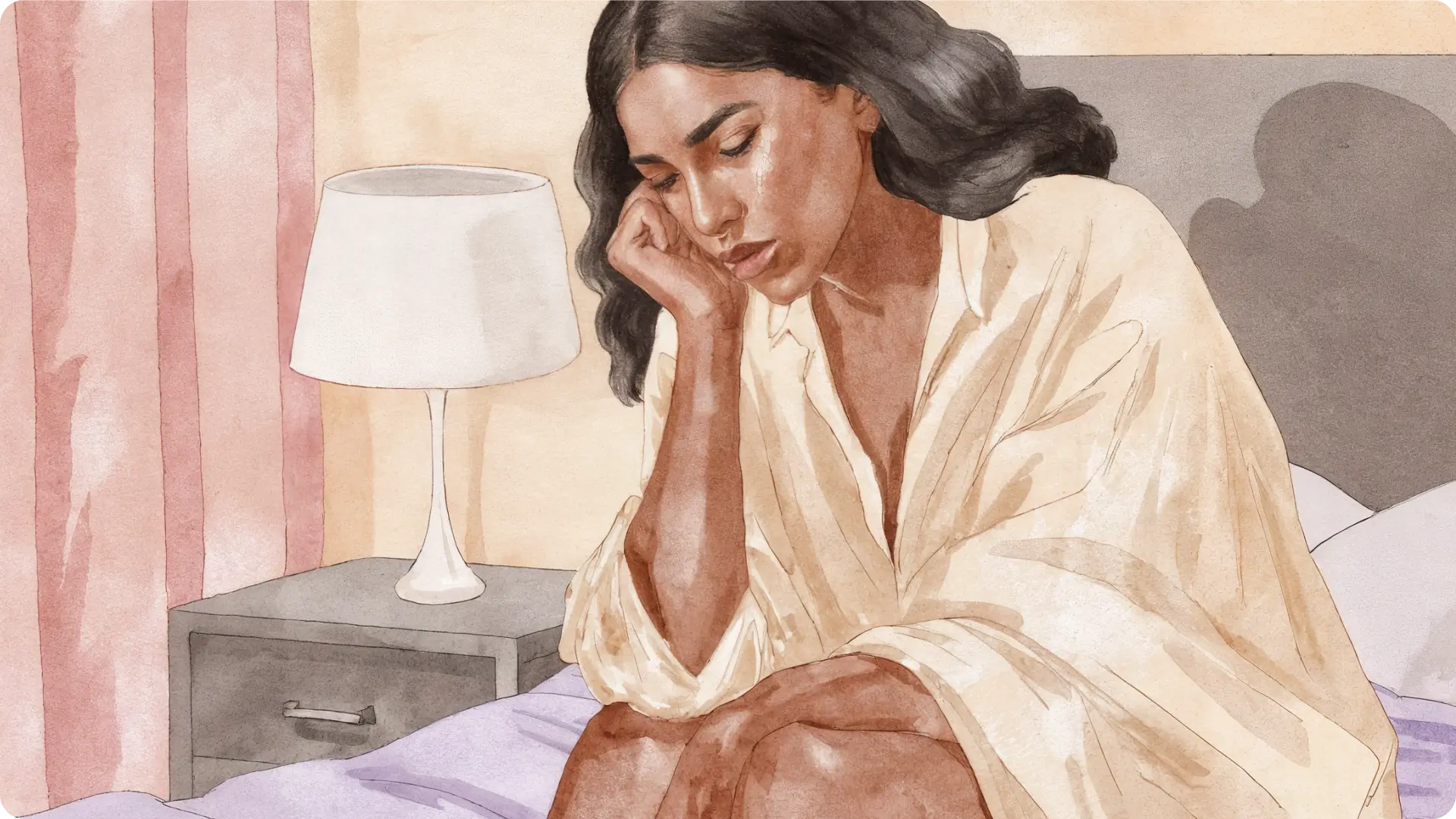
You’ve just gotten intimate with your partner. Everything went well, and then, out of nowhere, tears showed up. Maybe it happened for the first time, or maybe this happens pretty regularly.
In this article, we’ll explore whether crying after sex is normal. You’ll find out 8 reasons why you may feel overwhelmed after sexual intercourse, what to do with that, and when it can be a warning sign. We’ll also explore how to support your partner if they’ve started crying after intimacy.
Crying after sex may be a result of childhood trauma. Check yourself with this free test.

Is it normal to cry after sex or orgasm? Postcoital dysphoria meaning
Tears after sex or orgasm when you don’t experience psychological distress or negative emotions are called postcoital dysphoria. In fact, 46.2% of women and 41% of men have experienced it at least once in a lifetime.
Postcoital dysphoria can serve as a mechanism to reduce tension, a way your body deals with hormonal changes, or a simple release of intense physical and emotional energy. It can also cause intense anger, irritability, sadness, or frustration, even when there’s no clear reason.
Can sex release trapped emotions?
Yes, sex can release trapped emotions, whether negative or positive ones. You may cry during sex or after orgasm because your body is processing what your mind hasn’t yet verbalized.
Think of it this way: your body stores emotional tension in your muscles and nervous system. When you reach a state of high physical intensity and deep intimacy, those “walls” we build up during the day may crumble.
In particular, you may be crying after sexual activity because of:
- Relief
- Sadness
- Joy
- Vulnerability
- Gratitude
- Shame
- Love
- Emotional exhaustion
- A feeling of being deeply seen
8 common reasons why people cry after sex
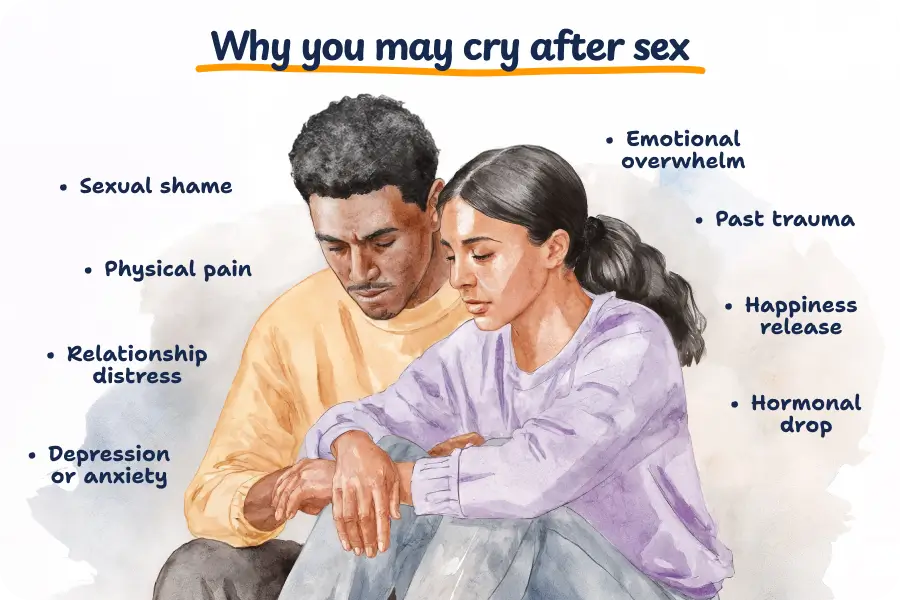
People may cry after consensual sex for numerous factors, including unresolved issues in relationships, feeling uncomfortable about their bodies, physical pain, past trauma, and other reasons.
1. You feel overwhelmed, and sex triggers an emotional response
Maybe you’ve had great sex, but your life is a mess now. You deal with a lot of stress at work, have arguments with family members, or worry about upcoming changes in your life. When your mind is spending most of its energy surviving all that pressure, even satisfying sex can trigger tears.
This happens because your body finally feels relaxed or released from stress, even if it’s just temporarily. Sex forces a shift from that high-alert state into a more somatic experience, which can cause all that bottled-up stress to spill over.
2. You experience pain during sex (dyspareunia)
Unwanted physical pain and discomfort may be the cause of shedding tears. While it can happen to anyone, regular dyspareunia that makes you cry isn’t normal. Here are the most common reasons why you may experience it:
- Vaginismus
- Lack of lubrication
- Yeast infections, UTIs, or sexually transmitted infections (STIs)
You may also experience pain due to a lack of care from your partner. They might rush the moment, skip foreplay, or not pay attention to how your body responds. In this case, it’s necessary to discuss your problems, share how you feel, and work together to overcome them.
3. Relationship dynamics make you feel frustrated
Sadness and mood swings may stem from relationship issues. Here are the most common challenges couples might have.
- You don’t enjoy sex and perceive it as an obligation rather than a source of pleasure. If so, you might cry because you feel emotionally drained.
- You didn’t manage to reach orgasm, or you didn’t like this particular intercourse. It might be perfectly normal if it happens once. But if you don’t like your sex life, you and your partner may need to talk about how to change it.
- You face emotional issues outside the bedroom. Maybe you have misunderstandings and unresolved conflicts that keep arising. If so, sex can make those underlying tensions feel even sharper. Physical closeness can highlight emotional distance.

4. Sex makes you feel ashamed
You may cry after a sexual encounter if you feel ashamed of certain actions or the process itself. Maybe you face stigmatization and believe that sex is something “dirty” or “bad.” This might stem from your cultural background, your family beliefs, or religious messages you grew up with. If you were taught that sexual desire is wrong, your body may react with guilt even when the experience was consensual and pleasant.
Also, you might feel that something is wrong with the way you act. You may think something like,
- “I shouldn’t have done that.”
- “Good people don’t act like this.”
- “I went too far.”
- “I let myself lose control.”
- “I shouldn’t want this.”
- “I feel exposed.”
Exploring a specific fantasy or “kink” may sometimes lead to what is known as a “kink hangover.” Once the adrenaline fades, you might feel judged (by yourself or your partner). Yet, remember that all your fantasies and actions, if they’re okay for your adult consensual partners, are normal.
Body image issues can be another reason why a person may feel shy. Still, your body doesn’t have to look a certain way to deserve pleasure, closeness, or desire. If you get intimate with someone, it means that they want you and your body the way it looks now.
5. You live with an unresolved trauma
Past trauma can make you burst into tears and create difficulties in your sex life. For instance, your ex-partner may have emotionally abused you, so now every intimate connection feels unsafe.
Or maybe you fear sex on an unconscious level due to childhood trauma. Even if your current partner is kind and safe, your nervous system may still react as if danger is present. Trauma can live in the body, not just in memory, so touch, closeness, or certain sensations can trigger fear, freezing, or sudden tears.

6. Orgasm triggered hormonal changes
During sex, people’s bodies release hormones, particularly dopamine, oxytocin, endorphins, and serotonin, that surge for pleasure and bonding. However, researchers found that after orgasm, dopamine levels tend to drop below baseline. The same thing happens during withdrawal from drugs of abuse.
This is called peri-orgasmic phenomena, which is why you might feel frustrated, overwhelmed, or sad after good sex. You might even experience panic attacks. According to the study, 61% of women reported related physical symptoms, and 88% of women reported emotional symptoms.
Interestingly, you may face the same symptoms after masturbation. As orgasm doesn’t necessarily require a partner, the reaction can be the same.
7. You experience “happy tears”
You might shed a few tears or even cry after sex simply because you’re happy. It can stem from:
- Relief after emotional tension
- Gratitude
- Joy from physical and emotional pleasure
- The comfort of being vulnerable with someone
You might have been craving sex for a long time or feel deeply in love with a person. All this can make you cry, and it’s completely normal.
8. You deal with mental health issues
Depression and anxiety might be among the reasons why you or your partner cry frequently after intercourse. When we feel drained and face mental health-related challenges, sex can make overwhelm even more significant.
This happens because sexual intimacy is an intense sensory experience. When your brain already works overtime to manage depression or anxiety, the added neurological input of sex can push your system past its “window of tolerance.” It may be necessary to reach out for professional help if you feel:
- Frustrated
- Constantly anxious
- Numb
- Emotionally exhausted
- Unable to handle routine tasks
Hannah Schlueter, MA, LAC, comments. “Crying after sex may be a result of any emotional or physical release in the body. While not all reasons for crying after sex are negative or harmful, if you feel this pattern is happening because of unpleasant or unwanted feelings, it’s important to process it with your partner and/or a professional.”
What to do if your partner cries after sex for no apparent reason
Your partner may cry after sex due to various reasons. This is what you can do to help them calm down:
- Don’t accept it as your fault. Crying after sex with you doesn’t necessarily mean that you did something wrong. Maybe it’s about their bodily reaction. So, try to stay calm.
- Comfort your partner. If you’re still engaged in sexual activity, stop immediately. You can try to hug your partner (in case they want to) or simply sit nearby and show that you’re here to help.
- Read your partner’s non-verbal cues. Maybe they need some water or want you to give them a blanket. Don’t talk a lot. Instead, provide support but respect their need for space.
- Ask how you can help. If you feel that your partner is ready to talk, you can ask what they need at the moment. They may need you to hold their hand or let them stay on their own.
- Discuss their reaction if they want to. It’s better to talk about their tears and your relationship later on when your partner is calm. Maybe it’s just an accident, or maybe you need to attend couples therapy and fix something serious together.
How to manage your emotions: What to do if you cry after sex
If you start crying after sex or orgasm, don’t feel embarrassed. A caring partner will support you and help you handle these emotions. This is what you can do instead.
- Explain what you may need now. Maybe your partner can help you get to the shower or bring a few napkins.
- Don’t blame yourself. Remember that it can happen to anyone. If you focus on feeling guilty for crying, it can make it more difficult to calm down.
- When you feel better, reassure your partner that it isn’t about them (if it really isn’t). Some people may worry that they made you cry. It’s important to clarify that your reaction doesn’t automatically mean something went wrong.
- Reflect on patterns. If this happens often, try to explore what might be behind it. Is it stress, relationship tension, shame, or hormonal shifts? Understanding the root cause can help you respond more intentionally next time.
When to seek professional help for crying during sex
You may need to reach out for professional help if crying after sex isn’t a rare experience. In case this is something that happens quite often while you still don’t understand why, a sex therapist might help you dig deeper. Additionally, you might experience:
- Shame
- Sadness or anxiety after every intercourse
- Flashbacks or discomfort with touch, which can point to unresolved trauma
- Fear of sex because you worry about your emotional reaction
- Relationship tension
- Crying that feels uncontrollable
Expert Insight
“A professional can help give you the space to explore the pattern of crying after sex and build a deeper understanding as to why it’s happening. Furthermore, if it’s something you want to change, a professional can then help you practice and utilize tools to address this pattern and create a different response over time.”

Hannah Schlueter
Mental health professional
Final thoughts: Embracing your emotional response
Crying after sex may be a pretty normal reaction that happens to many people at least once in their lifetime. If you experience tears after sex regularly, it may be necessary to analyze what triggers them. Try Breeze’s mood tracker to understand how you feel during the day, before, and after intercourse. It might help you spot patterns and notice what your body and emotions are trying to tell you.
Sources
- Schweitzer RD, O’Brien J, Burri A. “Postcoital Dysphoria: Prevalence and Psychological Correlates.” Sex Med. 2015
- Maczkowiack, Joel & Schweitzer, Robert. (2018). “Postcoital Dysphoria: Prevalence and Correlates Among Males.” Journal of Sex & Marital Therapy.
- Tufts University. “Postcoital Neurochemistry: The Blues and the Highs.” 2014
- Streicher, Lauren & Simon, James. (2025). “Emotional and Physical Symptoms in Women with Peri-Orgasmic Phenomena.” Journal of Women’s Health.
Disclaimer
This article is for general informative and self-discovery purposes only. It should not replace expert guidance from professionals.
Any action you take in response to the information in this article, whether directly or indirectly, is solely your responsibility and is done at your own risk. Breeze content team and its mental health experts disclaim any liability, loss, or risk, personal, professional, or otherwise, which may result from the use and/or application of any content.
Always consult your doctor or other certified health practitioner with any medical questions or concerns
Breeze articles exclusively cite trusted sources, such as academic research institutions and medical associations, including research and studies from PubMed, ResearchGate, or similar databases. Examine our subject-matter editors and editorial process to see how we verify facts and maintain the accuracy, reliability, and trustworthiness of our material.
Was this article helpful?