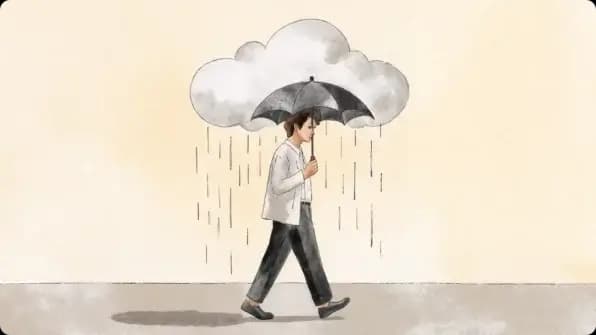


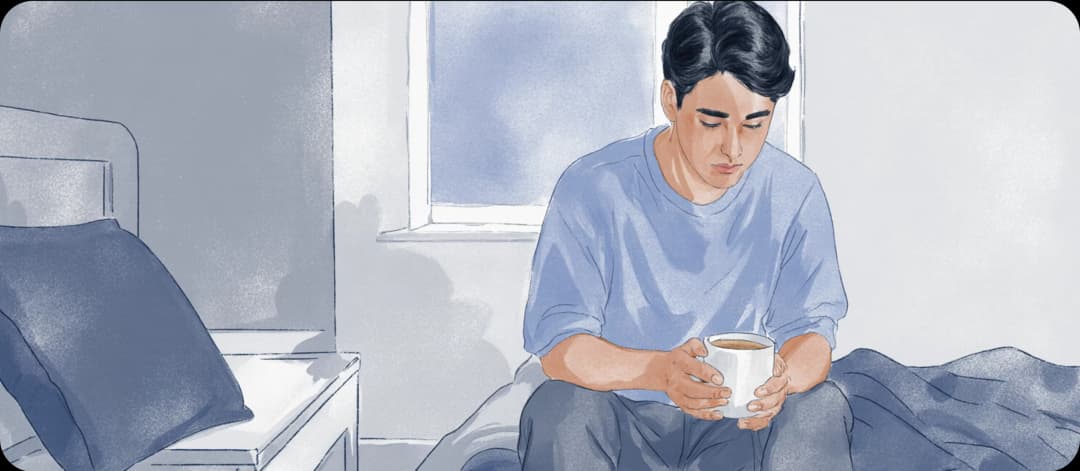
Are you constantly feeling bad about yourself, tired, or isolated? Although anyone can experience these emotions, they may sometimes signal mental health conditions, like depression. Researchers estimated that 1 in 3 women and 1 in 5 men will experience major depression in their lives [1] M. Luppa, C. Sikorski, T. Luck, L. Ehreke, A. Konnopka, B. Wiese, S. Weyerer, H.-H. König, S.G. Riedel-Heller. Age- and gender-specific prevalence of depression in latest-life – Systematic review and meta-analysis. .
That’s why we offer you this depression test based on Beck’s depression inventory, to help you reflect on your mood, thoughts, and daily habits over the last few weeks [2] American Psychological Association. Beck Depression Inventory (BDI) .
If you think your past experiences may affect you in daily life, start by taking a free Childhood Trauma Test. It helps identify unresolved childhood stressors like neglect, abuse, or betrayal that may influence your mood and mental health.
Practical Science-Backed Tips Based on Your Test Results
1. Low Likelihood of Depression
Possible characteristics of this state:
- You typically like the hobbies and activities you do.
- You have the energy to finish your everyday tasks.
- Sleep and appetite are mostly stable.
- You know how to feel your feelings.
- You know how to calm down when stressed and can handle decision-making and social interactions.

Breeze tips
- Maintain healthy habits, such as getting good sleep, eating a balanced diet, exercising regularly, and staying connected with others. You may use Breeze personalized routine plans and set up goals to be the best version of yourself.
- Use mindfulness activities in the app, like mindful breathing, or customize daily affirmations to boost confidence and reduce stress.
2. Mild to Moderate Symptoms of Depression
Possible symptoms you may be experiencing:
- You sometimes feel sad for no reason.
- You may struggle to start or finish tasks.
- Sometimes you may think, “Why can’t I focus on simple tasks?”
- Low energy level even after rest.
- Sometimes it’s hard for you to fall asleep or stay asleep.
- You sometimes wonder how to control your emotions better.
- You may feel worthless and experience self-criticism.
- You feel hopeless when you think about the future.
- Avoidance of interactions with people.
Breeze tips
Firstly, consider a professional evaluation. A therapist may assess your situation, offer guidance, and help you find the right support or treatment.
In addition to professional support, you can use the Breeze app to track your daily emotions using a mood tracker and mood notes and monitor improvements over time. Breeze also offers other helpful tests to explore burnout, social anxiety, and childhood-related emotional baggage, giving you a better understanding of your mental health.

3. Significant Signs of Depression
Possible symptoms you may be experiencing:
- Persistent sadness, hopelessness, and feelings of guilt.
- Isolation from friends and family, or difficulty maintaining relationships.
- You often feel overwhelmed, thinking, “Why am I so emotional?” or unable to regulate your emotions.
- Physical pain or discomfort, even when you’re not sick.
- Feeling of emotional numbness and thinking, “Why can’t I cry?”
- Loss of interest or pleasure in almost all activities.
- You may feel frustration, wondering, “Why am I always angry and irritated for no reason?“
- Changes in appetite or significant weight loss/gain.
- You lack the motivation to do even simple things.
- Significant sleep disturbances, such as insomnia or excessive sleeping.
- You feel exhausted almost every day and wake up already tired.
Expert Insight
If you feel hopeless most of the time and are struggling to function in daily life, it could be a sign that your depression is worsening and requires urgent help. The most urgent red flags are thoughts of wanting to die or believing others would be better off without you—these signal the need to reach out for immediate support from a crisis line, trusted person, or emergency services. If you notice these signs in yourself, it’s a strong indication that you don’t have to carry this alone and that professional help is needed right away.

Rychel Johnson
Mental health professional
Think You Might Be Experiencing Depression?
Depression is a mental health condition characterized by persistent feelings of sadness, emptiness, or hopelessness, along with changes in thoughts, behavior, and daily functioning. Unlike temporary low moods, depression is persistent and overwhelming, often lasting weeks, months, or even years if untreated.
About 280 million people around the world have depression, making it one of the main causes of disability, according to the World Health Organization [3] WHO. Depressive disorder (depression). March 2023 . Because depression affects multiple aspects of life, it can significantly interfere with relationships, work, school, and overall quality of life.
If your depression test results indicate that you may have symptoms of clinical depression, or if you’re concerned about whether you may have some mental health condition, consider talking to a therapist to get a diagnosis and treatment. You can contact a licensed professional or a crisis hotline [4] HelpGuide.Org. Are You Feeling Suicidal? How to Cope with Thoughts of Suicide :
- U.S.: 988
- UK: Samaritans 116 123
Expert Insight
Depression doesn’t have to define you–it’s possible to build resilience with a foundation of healthy habits. By maintaining regular sleep and exercise routines, nourishing yourself with consistent meals, and practicing stress-management tools like mindfulness or breathing exercises, depression symptoms can be reduced over time. Supportive connections with trusted friends and family, and having meaningful activities or goals, can help create powerful buffers. Think of these resources as ways to strengthen your “emotional muscles,” so that when challenges arise, you have resources to steady yourself and reduce the risk of slipping back into depression.
Rychel Johnson
Mental health professional
Sources
- M. Luppa, C. Sikorski, T. Luck, L. Ehreke, A. Konnopka, B. Wiese, S. Weyerer, H.-H. König, S.G. Riedel-Heller. Age- and gender-specific prevalence of depression in latest-life – Systematic review and meta-analysis.
- American Psychological Association. Beck Depression Inventory (BDI)
- WHO. Depressive disorder (depression). March 2023
- HelpGuide.Org. Are You Feeling Suicidal? How to Cope with Thoughts of Suicide
Disclaimer
This article is for general informative and self-discovery purposes only. It should not replace expert guidance from professionals.
Any action you take in response to the information in this article, whether directly or indirectly, is solely your responsibility and is done at your own risk. Breeze content team and its mental health experts disclaim any liability, loss, or risk, personal, professional, or otherwise, which may result from the use and/or application of any content.
Always consult your doctor or other certified health practitioner with any medical questions or concerns
Breeze articles exclusively cite trusted sources, such as academic research institutions and medical associations, including research and studies from PubMed, ResearchGate, or similar databases. Examine our subject-matter editors and editorial process to see how we verify facts and maintain the accuracy, reliability, and trustworthiness of our material.
Was this article helpful?