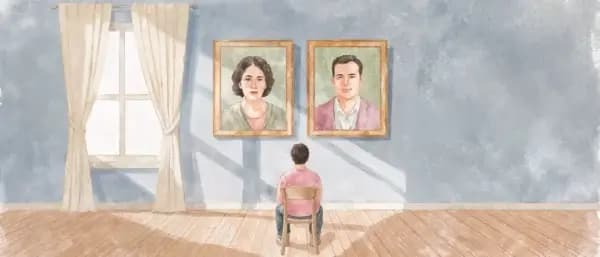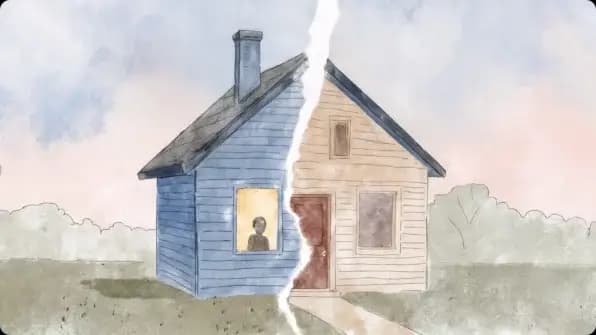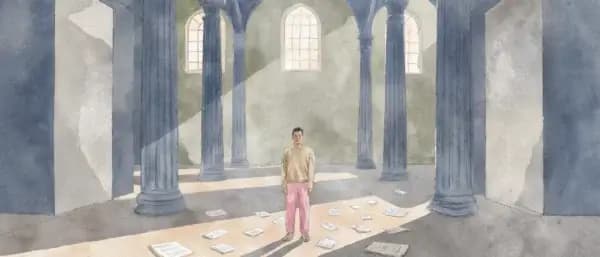


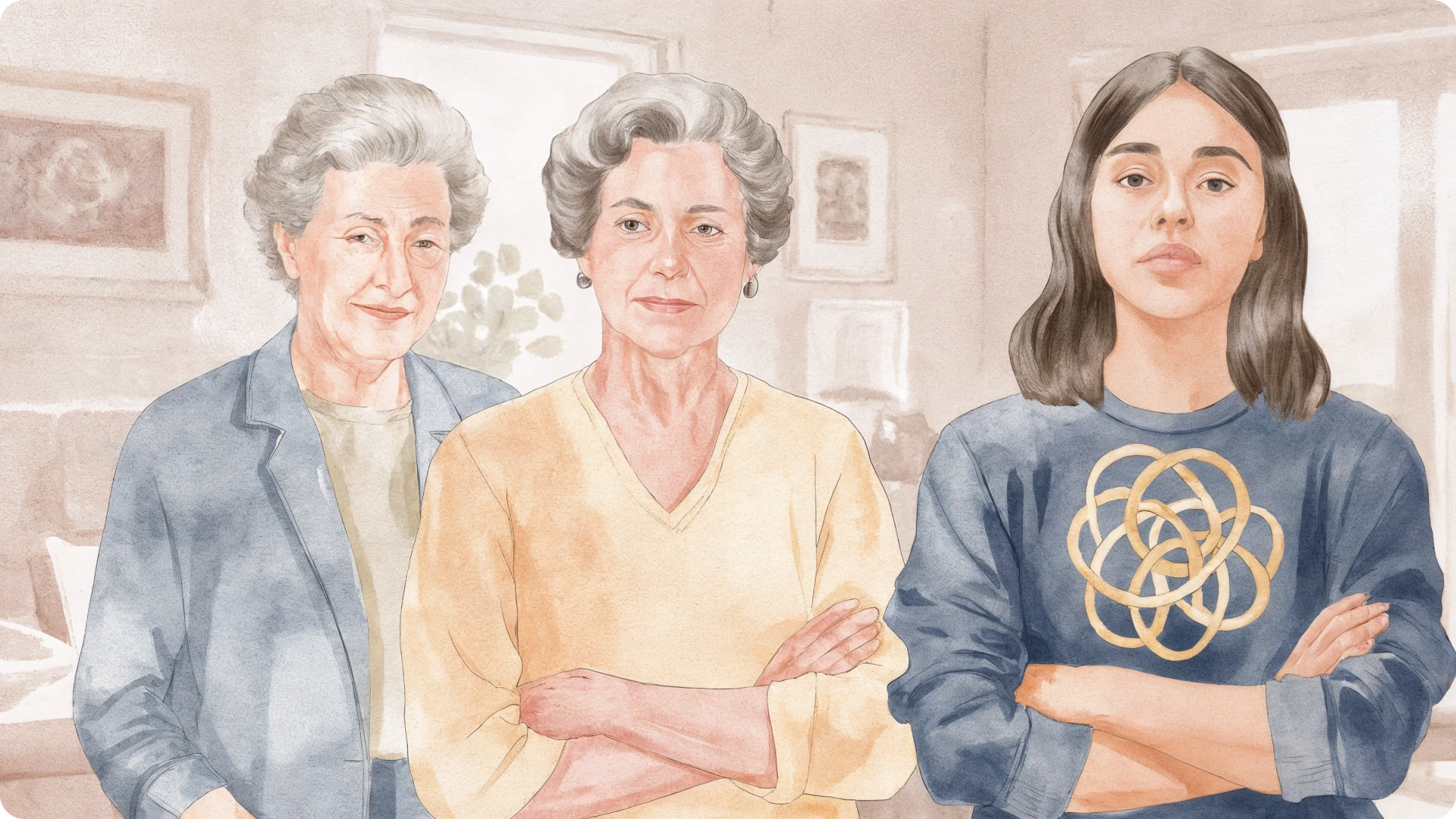
As a child, were you told things like “Be strong,” “Be grateful for what you have,” or “That’s not how we do things in our family”? Maybe you felt the weight of rules that were never explained or fear that didn’t quite belong to you. These anxieties, beliefs, or guilt can be an echo of stories that began long before you were born.
Intergenerational trauma is not simply the “inheritance” of emotions but a complex mechanism that includes biological mechanisms such as epigenetic changes, behavior patterns, and the transmission of traumatic narratives that affect multiple generations [1] El-Khalil, C., Tudor, D.C. & Nedelcea, C. Impact of intergenerational trauma on second-generation descendants: a systematic review. July 2025 .
Let’s explore how intergenerational trauma influences mental health, its causes, relevant examples, and healing strategies.

What Is Intergenerational Trauma?
Intergenerational trauma refers to the physiological consequences of a traumatic experience that are passed from one generation to the next. It is sometimes called historical trauma or transgenerational trauma. Personal trauma comes from experiences you have lived through, while inherited trauma is the emotional baggage of previous generations.
Such trauma may be rooted in a powerful national tragedy such as war, genocide, injury or attack, poverty, natural disasters, mass repression, or systematic oppression. Examples of intergenerational trauma include children of Holocaust survivors, Indigenous peoples affected by colonization, descendants of enslaved African Americans, refugee families, and those from households affected by chronic violence. In Australia, for example, Aboriginal peoples who have inherited trauma from colonization face significantly higher risks of mental health conditions and substance abuse [2] Leilani Darwin, Stacey Vervoort, Emma Vollert and Shol Blustein. Intergenerational trauma and mental health. 2023 .
According to the American Psychological Association, people who experience intergenerational trauma may have a guilt complex, intrusive thoughts, low self-esteem, anxiety and depression, suicidality, substance abuse, and attachment issues [3] American Psychological Association. APA Dictionary of Psychology. November 2023 .

The difference between personal trauma vs. inherited trauma
| Criterion | Personal trauma | Inherited trauma |
| Source | A person experiences trauma themselves | The trauma was experienced by their ancestors, but it affects their descendants |
| Awareness | Usually aware of trauma and can describe it | Often unaware and lack a direct explanation |
| Manifestation | Flashbacks, anxiety, avoidance, PTSD | Fears and unconscious behavior patterns, feeling “emotions that aren’t my own” |
| The path to recovery | Working with personal history, memories, and body memory | Working with learned family histories and stereotypes |
Expert Insight
Differentiating personal trauma from intergenerational trauma starts with recognizing the origin of your emotional reactions. Personal trauma is from something you have experienced. Intergenerational trauma refers to trauma symptoms that are passed down from one generation to the next. Intergenerational trauma may show up as an emotional response that is disproportionate to your lived experience.

Emily Mendez
Mental health professional
Examples of Intergenerational Trauma
Here are historical examples of intergenerational trauma and how it can impact mental health and cause adverse childhood experiences:
1. Families with violence or substance abuse
According to a 2022 study of intergenerational trauma, a child who witnesses the physical abuse of their mother even once can experience trauma that shapes their future behavior in relationships and parenting style [8] ACT Government. Understanding intergenerational trauma. 2022 .
They may also adopt some of the dysfunctional roles that are unconsciously assigned within the family to maintain balance. For example, a child who grew up as a peacemaker may become a parent who avoids conflict at all costs, passing this pattern on to their own children. Similarly, a black sheep child may unconsciously reproduce a shame spiral and self-criticism in the next generation.
2. Descendants of Holocaust survivors
Families who lived through the Holocaust often passed down patterns shaped by extreme fear, loss, and survival:
- Family norms centered around self-sacrifice, silence, or emotional suppression
- Heightened anxiety, hypervigilance, or “worst-case scenario” thinking
- Pressure to succeed as a way to honor ancestors’ suffering
3. Indigenous or First Nations peoples affected by colonization
Generations experienced forced assimilation, land loss, cultural erasure, and systemic violence can transmit the following patterns:
- Increased rates of depression, post-traumatic stress disorder (PTSD), and substance abuse
- Loss of cultural identity or belonging
- Cycles of family disruption due to residential schools or forced child removal
- Deep grief and disconnection from ancestral practices or language
4. Families affected by slavery, war, displacement, or political violence
Traumatic events like enslavement, civil conflict, genocide, or refugee migration can shape family roles and emotional patterns for subsequent generations who can experience:
- Chronic stress responses and difficulty regulating emotions
- Adult child syndrome as a result of parent–child role reversal
- Persistent feelings of instability, scarcity, or fear of authority
- Emotional numbness

Generational Trauma vs Intergenerational Trauma
Generational trauma is a trauma that affects a particular generation as a result of shared cultural, societal, or historical experiences. For example, a generation of Japanese Americans interned during World War II may carry collective trauma from that historical experience.
Intergenerational trauma, in turn, is passed down from one generation to the next, affecting future generations who did not directly experience the original traumatic event. For instance, in Canada, Indigenous children taken to residential schools suffered abuse, neglect, and loss of culture. According to research on intergenerational effects of Indian Residential Schools, descendants today report higher rates of depression, demonstrating trauma passed across generations [5] Bombay A, Matheson K, Anisman H. The intergenerational effects of Indian Residential Schools: implications for the concept of historical trauma. Transcult Psychiatry. June 2014 .
Wondering whether you’re experiencing the effects of childhood trauma? Breeze self-discovery tests can help you figure it out and explore your personality, patterns in relationships, emotional intelligence, temperament, and much more.
What Does Historical Trauma Feel Like? 4 Coping Strategies
Dr. Yael Danieli, a clinical psychologist and victimologist and the director of the Group Project for Holocaust Survivors and their Children, began studying intergenerational trauma back in the 1980s. She proposed basic coping strategies for Holocaust survivors that can be applicable to any trauma [4] Danieli Y, Norris FH, Engdahl B. Multigenerational legacies of trauma: Modeling the what and how of transmission. January 2016 . Here are the four main coping strategies that trauma survivors may use and their impact on children:
1. Victims
People who use this strategy experience a sense of vulnerability, which can cause heightened anxiety and a sense of helplessness in children. Children of such parents may believe that the world is unsafe and hostile:
- They were taught to distrust people outside the family circle.
- Joy, self-growth, and questioning life purpose are usually seen as unimportant extras in these families.
- They may have a scarcity mindset, even when you have enough, fearing that resources, safety, or love might disappear suddenly.
- They may show people-pleasing tendencies to avoid conflict.
2. Fighters
These people actively confront difficulties and fight for their rights and well-being. They don’t tolerate any child’s behavior that may seem weak or self-pitying. Sometimes their anger issues can put their children at risk of domestic violence. Their excessive aggression and mistrust can be passed on to children in the form of:
- Suspicion and increased conflict reactivity.
- Confrontational, controlling, or domineering in relationships.
- Negative beliefs that people are enemies and that they hate everyone.
3. Numbed
This strategy demonstrates emotional detachment and suppression of feelings. People who use it can react negatively to displays of emotion in others, interpreting complaints as ingratitude and weakness. Growing up in a family where emotions are minimized or ignored, children of the “numbed” may develop several patterns:
- Limited ability to recognize and feel their feelings, often defaulting to “I’m fine” even when stressed.
- Fear of intimacy
- Self-sufficiency and taking on adult roles early because emotional support wasn’t available.
- Avoidant attachment style or emotional shutdown in adult relationships.
4. “Those who made it”
Families “who made it” aim for education, status, recognition, and wealth:
- They may feel a heavy responsibility to “make their ancestors proud” or to justify their suffering.
- They’re pressured to never fail and struggle with perfectionism because their achievements feel like the family’s healing.
- They can experience guilt or shame for taking time for self-care or joy, wondering, “Why do I hate myself for resting?”
Intergenerational Transmission of Trauma
There are two main ways of intergenerational trauma transmission:
Family behavioral and emotional modeling
Trauma survivors can unintentionally transmit fears and negative coping strategies to their children. Traumatized parents may experience increased anxiety, depression, irritability, avoidance, suppression of emotions, or excessive control.
These emotional states naturally show up in everyday interactions with their children, creating an atmosphere of constant stress and tension within the family. Children growing up in such conditions internalize anxious and depressive behavior patterns from an early age.
For example, a common behavioral pattern among children of Holocaust survivors is an excessive need for control, overprotectiveness of parents, and defensiveness [4] Danieli Y, Norris FH, Engdahl B. Multigenerational legacies of trauma: Modeling the what and how of transmission. January 2016 . Yael Danieli called these reactions “reparative adaptation consequences.” The idea is that children of trauma survivors try to restore peace for their parents, grandparents, and themselves.
Epigenetic mechanisms
Research has revealed a possible mechanism: stress can “switch on” or “switch off” certain stress-related genes without altering their DNA sequences, but by modifying their activity. Children may inherit these “mechanisms” [6] Yehuda R, Lehrner A. Intergenerational transmission of trauma effects: putative role of epigenetic mechanisms. October 2018. .
Scientists believe that how people respond to traumatic events has long-lasting and transformative effects. Ultimately, what happened to our parents, grandparents, and previous generations shapes who we are at a fundamental molecular level [7] U.S. Department of Veterans Affairs. Study finds epigenetic changes in children of Holocaust survivors. October 2016 . This, in turn, influences our behavior, strengths, and weaknesses.
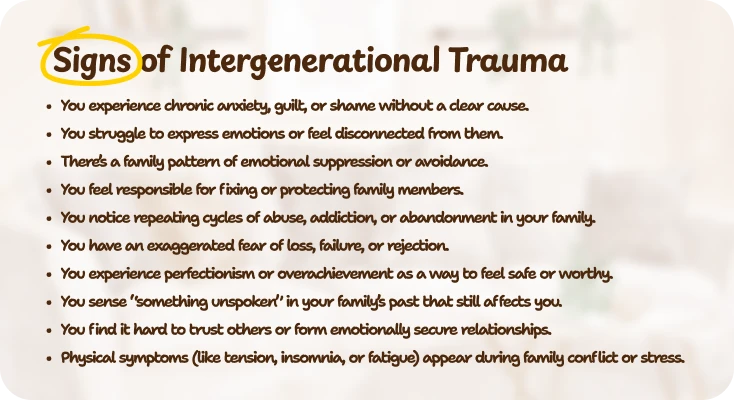
4 Intergenerational Trauma Symptoms
Intergenerational trauma can be difficult to diagnose because it often shows up through multiple emotional, behavioral, and relational patterns:
1. You notice recurring behavior patterns like negative self-perception, difficulty regulating emotions, forming secure attachments, or maintaining stable relationships.
2. Your family has “secrets” or “taboo” topics. Your family members may avoid discussing certain topics from the past or hide some facts about your family history.
3. You have psychosomatic symptoms with no clear medical cause. It can be insomnia or nightmares, unexplainable pain, or chronic stress responses such as elevated heart rate, tension, or gastrointestinal issues.
4. You have unconscious fears and phobias that influence your decisions, behaviors, and emotional responses in ways that seem automatic or irrational. For example:
- Fear of scarcity. Descendants of families who experienced famine, poverty, or displacement may develop intense anxiety around money, food, or resources, even in secure environments.
- Fear of authority or punishment. Families who lived under oppressive regimes, strict households, or systemic oppression may pass down a deep mistrust of authority figures, rules, or societal systems.
- Fear of failure or shame. Children of parents who prioritized achievement or social status may inherit perfectionism, fear of failure, or disappointment with others. As a result, they may avoid opportunities because something “feels risky” without knowing why.
5 Steps to Heal Intergenerational Trauma
Because these patterns are often unconscious, the first step is to recognize: “I feel this, but it’s not mine.” The next steps may include:
1. Learn your family history
Understand the origins of your inherited trauma and the societal or cultural traumas that may have affected previous generations of your family:
- Try family history mapping. Create a family tree and note significant traumas like war, displacement, oppression, and recurring patterns in family roles or behaviors.
- Use reflective journaling. Write about recurring fears, behaviors, or emotional reactions you notice in yourself. Ask, “Could this come from my family or ancestors?”
For example, you may have an intense fear of financial insecurity, even though you grew up in a stable home. If you explore your grandparents’ experience during the Great Depression, you may begin to recognize how scarcity anxiety was passed down.
Breeze journaling can make this process easier and give you prompts, mood-tracking features, and a private space to release your thoughts whenever the effects of psychological trauma hit.

2. Break family patterns and create new scenarios
- Try to identify your family role, and consciously choose different ways to respond. Replace habitual reactions like anger or withdrawal with intentional responses like pausing, reflecting, or asking for support.
- Work with negative beliefs and replace them with core values that guide your actions. Replace “we must endure” with “it is allowed to live.” Try positive affirmations like “we can listen,” “we are learning to trust,” “my feelings have a right to exist.”
- If possible, practice daily rituals that encourage your family members to be emotionally available to create a new, safe environment. It can be conversations, shared dinners, or a simple question, “How was your day?”
3. Try mind-body practices
- Mindfulness activities, yoga, meditation, dance, or gentle stretching can help you release tension held in the body.
- Regular grounding exercises, such as simple sitting with your feet on the floor, deep breathing, and noticing sensations, allow you to reduce stress and help you to feel present in the moment. Try Breeze guided mindful breathing to regulate your nervous system.

4. Connect with supportive communities
- Look for groups focused on trauma survivors, intergenerational trauma, or specific historical experiences such as descendants of Holocaust survivors or Indigenous healing circles.
- Engage with cultural or heritage organizations that preserve language, traditions, or rituals. Sharing stories helps reduce isolation and can restore a sense of identity and belonging.
- Participate in therapy-based workshops, mindfulness or yoga classes, or creative arts programs that focus on healing and emotional expression.
- When local options are limited, online forums or virtual support groups can also become a source of advice and solidarity with people who understand similar struggles.
5. Seek support from mental health services
Trauma-informed therapy, such as EMDR (Eye Movement Desensitization and Reprocessing), somatic experiencing, cognitive behavioral therapy (CBT) can help process intergenerational trauma and develop healthy strategies to change your life for the better.
Can You Fully Heal from Intergenerational Trauma?
Expert Insight
I believe that healing from intergenerational trauma is possible. However, “healing” isn’t undoing, forgetting, or erasing the past. The goal is not to eliminate your emotional responses to intergenerational trauma. But to no longer be controlled by it. The goal is to get to a place where you recognize, “This emotion didn’t start with me.” You can then respond with awareness instead of reacting automatically.
Emily Mendez
Mental health professional
Frequently asked questions
1. Can therapy really heal ancestral trauma?
While therapy can’t change the past, it can reduce the emotional, behavioral, and relational effects those patterns have on your life today. A mental health professional can help you understand, process, and change patterns that originated in previous generations. Approaches like trauma-informed therapy, EMDR, somatic work, and family-systems therapy are often especially effective.
2. How long does it take to break trauma cycles?
Breaking generational patterns depends on factors like the depth of the trauma, your support system, your readiness for change, and the type of therapeutic work you’re doing. Many people start noticing meaningful shifts within months, while a deeper transformation can take longer. What matters most is consistent and compassionate work on your mental health, not speed.
3. Can you inherit trauma from your parents?
Yes, the psychological and emotional consequences of traumatic events experienced by parents can be passed down to future generations. Children can inherit patterns through family dynamics, learned coping behaviors, attachment styles, and even epigenetic changes linked to stress. This doesn’t mean you’re destined to repeat the same cycles, but it does explain why certain psychological distress can feel bigger than your own experiences alone.
Sources
- El-Khalil, C., Tudor, D.C. & Nedelcea, C. Impact of intergenerational trauma on second-generation descendants: a systematic review. July 2025
- Leilani Darwin, Stacey Vervoort, Emma Vollert and Shol Blustein. Intergenerational trauma and mental health. 2023
- American Psychological Association. APA Dictionary of Psychology. November 2023
- Danieli Y, Norris FH, Engdahl B. Multigenerational legacies of trauma: Modeling the what and how of transmission. January 2016
- Bombay A, Matheson K, Anisman H. The intergenerational effects of Indian Residential Schools: implications for the concept of historical trauma. Transcult Psychiatry. June 2014
- Yehuda R, Lehrner A. Intergenerational transmission of trauma effects: putative role of epigenetic mechanisms. October 2018.
- U.S. Department of Veterans Affairs. Study finds epigenetic changes in children of Holocaust survivors. October 2016
- ACT Government. Understanding intergenerational trauma. 2022
Disclaimer
This article is for general informative and self-discovery purposes only. It should not replace expert guidance from professionals.
Any action you take in response to the information in this article, whether directly or indirectly, is solely your responsibility and is done at your own risk. Breeze content team and its mental health experts disclaim any liability, loss, or risk, personal, professional, or otherwise, which may result from the use and/or application of any content.
Always consult your doctor or other certified health practitioner with any medical questions or concerns
Breeze articles exclusively cite trusted sources, such as academic research institutions and medical associations, including research and studies from PubMed, ResearchGate, or similar databases. Examine our subject-matter editors and editorial process to see how we verify facts and maintain the accuracy, reliability, and trustworthiness of our material.
Was this article helpful?