

Have you ever felt guilty for having sexual thoughts? Do you avoid intimacy, or are you unsure of what truly excites or satisfies you?
If any of these sound familiar, you might be experiencing sexual repression. It doesn’t always look obvious, but it can influence your thoughts, emotions, and relationships, and even show up as physical symptoms. Let’s find out the signs, causes, and consequences of sexual repression and practical tips to help you reconnect with your sexual self.
Wondering whether sexual repression may be caused by your past experiences? Take the Childhood Trauma Test to understand potential links between early experiences and sexual frustration.

What Is Sexual Repression?
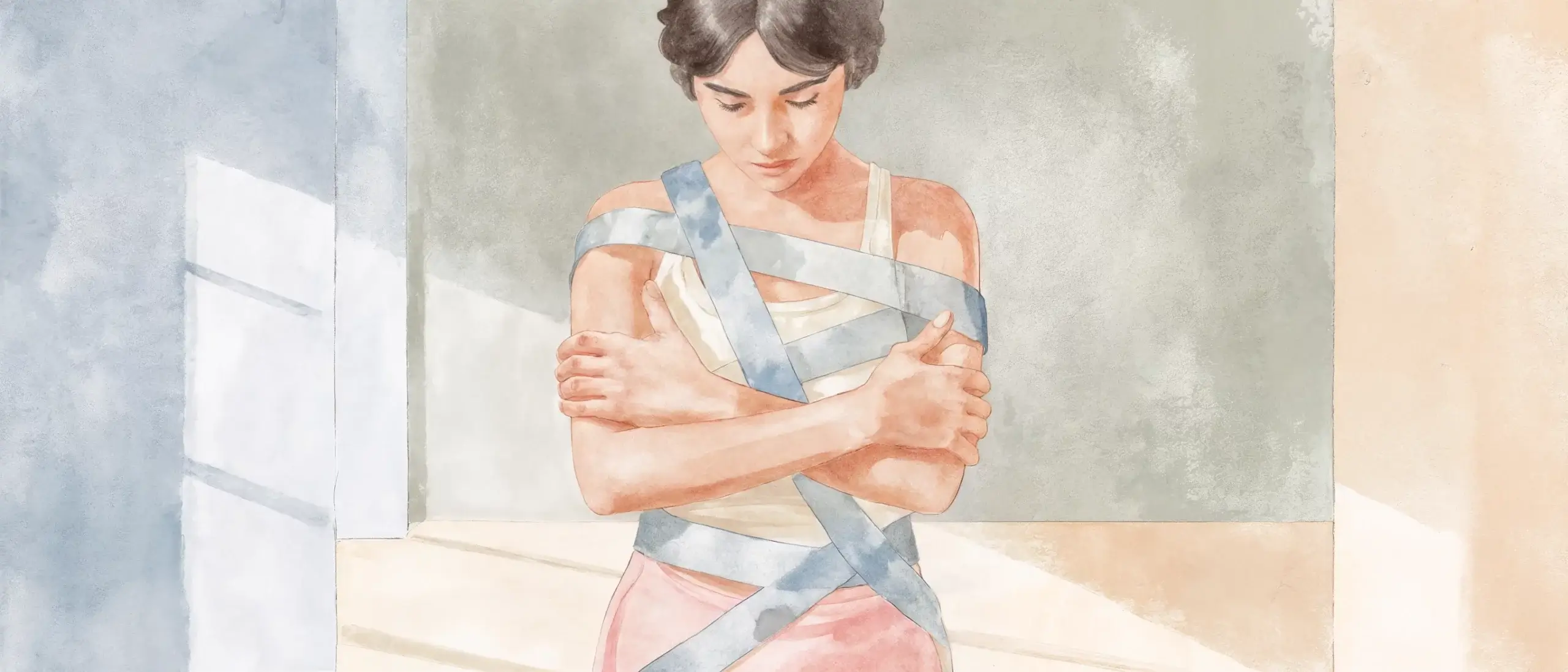
Sexual repression is the suppression of natural sexual thoughts, desires, or expressions, often due to shame, fear, cultural norms, or past experiences. It can be conscious or unconscious and may affect emotional and physical well-being.
Sexual repression doesn’t always mean a complete lack of desire. In many cases, the desire is still there, but it’s hidden under layers of guilt, discomfort, or confusion.
Expert Insight
Some people just naturally have a low sex drive. And that is not something to “fix.” People with naturally low libidos often feel comfortable with it. With sexual repression, there is tension around sex. Sexuality is being blocked by guilt or shame. A person may desire sex, but avoid it at the same time. They may feel disconnected from their own sexuality. If a person feels unhappy or uncomfortable because of their libido, or they feel a sense of shame, then it could indicate repression or an issue that is worth talking to a therapist about.

Emily Mendez
Mental health professional
6 Signs You’re Experiencing Sexual Repression
Sexual repression can be disguised as discomfort, avoidance, or confusion. While low libido can be a natural variation, often influenced by one’s constitution or baseline state, signs of sexual repression include:
1. Difficulty talking about sex
You feel awkward or anxious when discussing sexual topics, even with a partner or close friend. Conversations about desires, boundaries, or sexual experiences might make you feel embarrassed or change the subject. You may want to express that you enjoy a certain type of touch, but you avoid saying it because you fear being judged or misunderstood.
2. Guilt or shame around sexual thoughts
You experience sexual fantasies but immediately push them away or judge yourself for having them. For example, you imagine a sexual scenario and instantly think, “This is wrong or dirty.” This, in turn, makes you suppress the thought instead of exploring why it excites you.
3. Avoidance of intimate relationships
You may avoid sexual relationships or emotional closeness, even when you want connection. Similarly to people with an avoidant attachment style, you may consistently cancel dates, avoid physical touch, or keep partners at a distance because opening up feels unsafe or overwhelming.
Wondering whether your attachment style may be linked to sexual repression? Take an avoidant attachment style quiz and other insightful tests about your personality, attachment, childhood trauma, and temperament in the Breeze app.
4. Sexual attraction disinterest
You are unsure what brings you sexual satisfaction. You struggle to recognize your desires and express your needs to your partner. As a result, you stay silent and go along with a partner’s preferences without expressing what you actually enjoy or notice your own arousal fading quickly because you feel detached.
5. Rigid beliefs about sex
People experiencing sexual repression may also feel the need to monitor, regulate, or overthink every aspect of their sexual behavior to ensure it aligns with internalized rules or perceived societal expectations. They hold strict ideas about what is “acceptable” or “normal,” often without questioning their origin.
They might obsessively plan or restrict sexual activity to avoid “doing something wrong,” constantly worry about whether their arousal is appropriate, or mentally score themselves on how “normal” or acceptable their fantasies are. As a result, this hyper-control can reduce spontaneity and turn natural sexual experiences into a source of anxiety.
These rigid rules can limit exploration and create inner conflict. For example, due to upbringing, you may believe that sex should only happen within marriage or a long-term relationship, even if you personally feel ready for intimacy. This belief can lead to frustration, shame, or avoidance of healthy sexual exploration and keep you disconnected from your desires.
Or, you might think that certain sexual fantasies are “perverse” or “abnormal,” even though they are harmless and consensual. This belief can make you suppress your curiosity or avoid exploring what truly excites you.
6. Sexual frustration in relationships
Sexual activity may feel mechanical or emotionally empty. You may have sex with a partner out of obligation or routine, but notice that you feel bored and your mind is elsewhere. You may go through the motions during sex to please a partner, but experience difficulty achieving satisfaction or genuine intimacy. Another example is avoiding intimacy altogether because past experiences of unsatisfying sexual encounters have left you frustrated or anxious.
Expert Insight
Sexual repression reduces desire, and it also causes a person to develop defense mechanisms to manage internal conflict, especially when libido or sexual desires clash with internal beliefs about sex. Avoidance is one of the most common defense mechanisms. A person who uses this one may avoid anything that could elicit sexual desire. They may avoid physical intimacy and even not date, as a result. Their relationships may be characterized by physical distance.
Emily Mendez
Mental health professional
6 Causes of Sexual Repression
Sexual repression is often influenced by a combination of personal beliefs, past experiences, and social environments:
1. Past negative experiences
Sexual trauma, rejection, or negative early experiences can shape how you relate to intimacy, research shows [1] O’Driscoll, C. and Flanagan, E. Sexual problems and post-traumatic stress disorder following sexual trauma: A meta-analytic review. October 2015 . Experiences such as childhood sexual abuse or sexual assault may lead to long-term sex-related fear, making emotional vulnerability feel unsafe and causing sexual repression. Even less extreme experiences like repeated rejection or criticism can make you suppress sexual arousal as a way to protect yourself. As an adult, you may notice that you instinctively avoid flirting, physical touch, or even daydreaming about intimacy.
2. Feelings of shame
Strict cultural norms and religious beliefs or taboos around sex can create long-lasting feelings of shame or fear. According to recent research, it may develop into negative beliefs about sex or your own sexuality and contribute to sexual dysfunction, and even lead to negative attitudes toward the opposite sex [2] Smith, C.S. Taught to be Ashamed: Sexual Shame, Faith, and Moral Incongruence in Men’s Psychosexual Development. January 2026 . Instead of feeling natural, sexual urges become something to hide or control, and you may even think, “I hate women or men.”
3. Lack of education
Growing up without open conversations about sex and sexual behaviors may lead to confusion and discomfort. When human sexuality is treated as a taboo topic, people may rely on misinformation or silence, which reinforces fear, misunderstanding, and the repression of sexual urges.
4. Emotional distress
Ongoing negative feelings, such as anxiety or unresolved emotional pain, can limit your ability to feel safe and open in your sex life. When you experience deep-seated negative feelings, sexual expression may feel like added pressure.
Intimacy and sexual activity are natural needs that contribute to our emotional growth and well-being. Take a quick self-assessment test to understand how connected you feel to your desires and relationships.

5. Negative body image
Feeling insecure about your body can create strong psychological barriers to intimacy. If you’re overly focused on perceived flaws or fear being judged, you may experience sexual frustration and feel disconnected from your sexual needs.
6. Social stigma and expectations
Societal pressure to conform to certain roles or behaviors can suppress authentic sexual feelings and expression. This is especially true for people with a suppressed sexual orientation, where fear of not fitting into accepted norms may lead to hiding or denying one’s true sexual identity.
How Sexual Repression Affects Your Health
Mental Нealth Effects
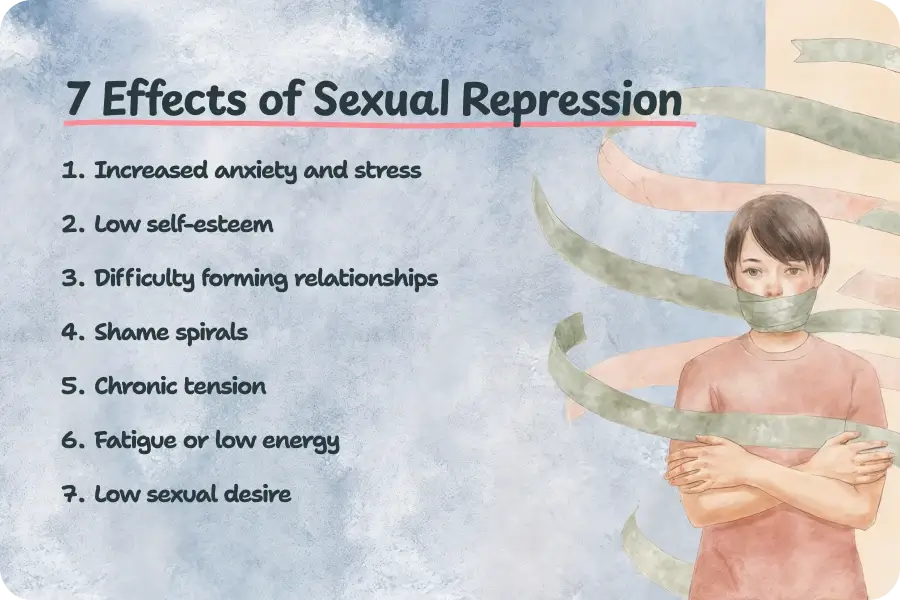
Suppressed sexuality can have psychological effects, including:
- Increased anxiety and stress. Internal conflict between desire and sexual repression creates ongoing tension.
- Low self-esteem. Sexually repressed people may feel “wrong” for having natural desires, which can damage their sense of self-worth.
- Difficulty forming relationships. Fear, discomfort, or avoidance can make people feel lonely or isolated and make it harder to build deep, meaningful connections.
- Repeated patterns of desire followed by guilt turn into sexual shame spirals.
Physical Consequences
Sexual repression can also show up in the body:
- Chronic tension. Suppressed emotions can manifest as physical tightness, headaches, sleep issues, or general discomfort.
- Fatigue or low energy. Emotional suppression can be draining over time.
- Low sexual desire. Ongoing repression may lead to a decreased or disconnected sense of sexual desire.
- Difficulty with arousal. Mental blocks can interfere with physical responses and enjoyment.
5 Tips To Overcome Sexual Repression
Here’s a set of actionable tips and practical exercises for dealing with sexual repression:
1. Educate Yourself About Sexuality
Understanding your sexuality begins with knowledge and self-discovery. Sexual repression can be fueled by myths, misinformation, or social taboos. Educating yourself helps demystify sexual feelings and reduce shame:
- Read books about sex-positivity or articles and blogs of reputable sex educators. Explore topics like sexual health, gender roles, sexual behaviors, and different types of sexual expression.
- Listen to podcasts or watch videos. Hearing experts and personal experiences can normalize your feelings and show the diversity of sexual experiences.
- Learn about sexual anatomy and arousal. Understanding how your body works can reduce confusion and help you identify what feels pleasurable.
- Explore consent. Knowledge about consensual sex and healthy boundaries can help you engage safely and confidently.
- Try to read erotic literature. Slowly exposing yourself to previously uncomfortable sexual experiences can help you build confidence.
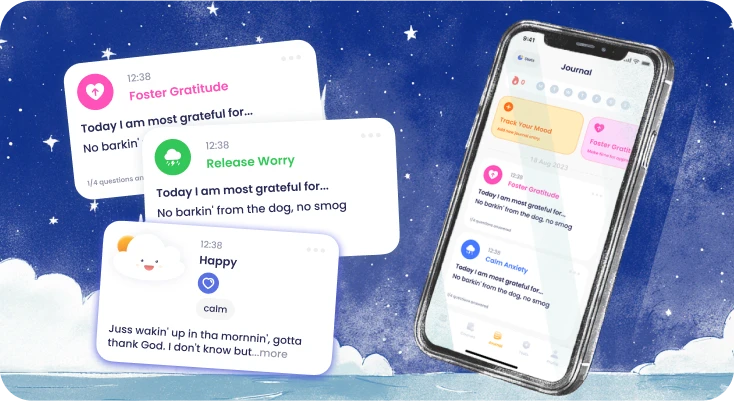
Reflect on what resonates with you personally or surprises you, and use guided Breeze journaling to take notes. You can also keep a sexual journal, noting fantasies or experiences. Reflect on what excites or interests you, without feeling pressured to act on it.
2. Identify and Challenge Limiting Beliefs
Sexual repression can be maintained by negative or rigid beliefs. Your sexual values may differ from familial or societal norms, and that’s normal.
Write down beliefs such as ”Certain sexual behaviors or fantasies are shameful” or ”Casual sex is wrong.” Ask yourself, “Where did this belief come from? Is it really mine or inherited from others?”
Replace limiting beliefs with positive affirmations, for example:
- “My sexual desires are natural and healthy.”
- “I deserve pleasure and intimacy without shame.”
- “My sexuality is a natural and positive part of who I am.”
- “It’s safe for me to explore and express my sexuality.”
- “I am allowed to express my needs, desires, and boundaries freely.”
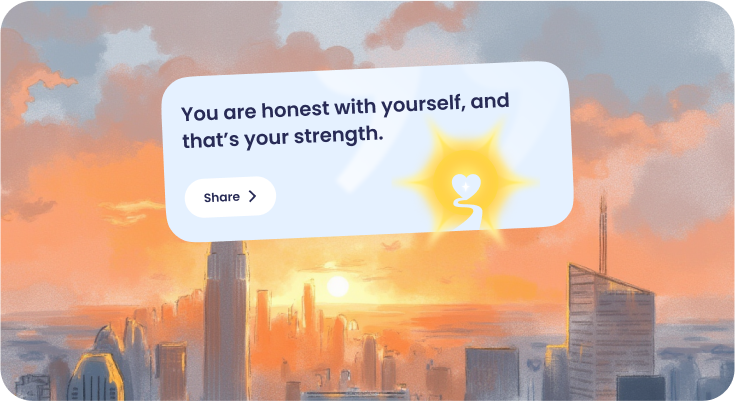
A study shows that cognitive reappraisal may strengthen sexual desire and improve overall well-being [3] Sævik KW, Konijnenberg C. The effects of sexual shame, emotion regulation and gender on sexual desire. March 2023 . Try customized daily affirmations in the Breeze app to reframe your mindset and reduce sexual repression.
3. Start Small with Communication
Talking about intimacy helps normalize sexual feelings and reduce shame. Begin by discussing sexual topics in safe spaces, like with a therapist, friend, or supportive partner. You may say, “I feel nervous about this topic. Can we talk about it?”
Then, gradually increase comfort with more personal topics, desires, fears, or fantasies. For example, share a simple sexual preference with a partner, such as, “I really enjoy when you touch my back like this.”
4. Explore Your Desires Through Sensuality, Not Just Sex
Suppressed desires often stay hidden without intentional exploration. At the same time, pleasure and sensuality don’t have to be sexual. Journaling and reflection can help.
For instance, you may practice non-sexual touch like hugging or gentle self-massage. Spend 5–10 minutes each evening lying down, breathing, and focusing on sensations in each part of your body. Try to notice what feels pleasurable without judgment.
You can also try mindful movement to increase body awareness:
- Try body scans or mindfulness exercises to reconnect with sensations. Use your breath and physical awareness to stay present and grounded. Once you’re familiar with scanning your body neutrally, allow yourself to notice areas that feel sensitive or pleasurable.
- Notice areas of tension or discomfort to reveal where repression shows up physically.
- Try dancing in front of mirrors or in group classes to get more comfortable with your body and sexuality. Certain dance forms, such as free-form or expressive dance, can help you release suppressed emotions.
- Engage in analog activities that activate the senses, like warm baths, aromatherapy, or mindful eating.
- Pay attention to your body’s responses like warmth, tingling, or softness without trying to sexualize it.
- Gradually allow pleasure to become associated with safety and comfort rather than guilt.
5. Talk To A Counselor Or Sex Therapist
If past experiences such as childhood sexual abuse, assault, or rejection are affecting your sexual expression, trauma-informed therapy can help you process these experiences safely and develop communication skills and healthier attitudes toward intimacy.
Sex therapy can guide you in understanding sexual arousal and pleasure and overcoming sexual repression, anxiety, and sexual dissatisfaction. It also helps you express your needs, desires, and preferences to partners.
Mental health professionals can create exercises, mindfulness practices, or gradual exposure techniques to help you reconnect with your sexual self. You might work with a therapist to explore why certain sexual situations trigger shame, practice expressing desires without guilt, or slowly reintroduce pleasurable touch and intimacy into your life. Eventually, this guided support can help you move from avoidance or repression to authentic and satisfying sexual expression.
Frequently asked questions
1. Is sexual repression normal?
It’s relatively common. However, when it starts affecting your mental health or relationships, it becomes important to recognize the signs and take steps toward understanding and addressing sexual repression.
2. How do I know if I’m sexually repressed?
Common signs of repressed sexuality include feeling guilt or shame about sexual thoughts, avoiding intimacy, difficulty expressing desires, and anxiety around sexual topics.
3. Can sexual repression affect relationships?
Yes. It can lead to emotional distance, lack of communication, reduced intimacy, and difficulty forming deep connections with partners.
Sources
- O’Driscoll, C. and Flanagan, E. Sexual problems and post-traumatic stress disorder following sexual trauma: A meta-analytic review. October 2015
- Smith, C.S. Taught to be Ashamed: Sexual Shame, Faith, and Moral Incongruence in Men’s Psychosexual Development. January 2026
- Sævik KW, Konijnenberg C. The effects of sexual shame, emotion regulation and gender on sexual desire. March 2023
Disclaimer
This article is for general informative and self-discovery purposes only. It should not replace expert guidance from professionals.
Any action you take in response to the information in this article, whether directly or indirectly, is solely your responsibility and is done at your own risk. Breeze content team and its mental health experts disclaim any liability, loss, or risk, personal, professional, or otherwise, which may result from the use and/or application of any content.
Always consult your doctor or other certified health practitioner with any medical questions or concerns
Breeze articles exclusively cite trusted sources, such as academic research institutions and medical associations, including research and studies from PubMed, ResearchGate, or similar databases. Examine our subject-matter editors and editorial process to see how we verify facts and maintain the accuracy, reliability, and trustworthiness of our material.
Was this article helpful?