



Around 22% of adults in the US meet criteria for mental health disorders, yet only 50% of them get any formal diagnosis or treatment [1] Rates of Detection of Mood and Anxiety Disorders in Primary Care: A Descriptive, Cross-Sectional Study. Primary Care Companion for CNS Disorders. 2011. . Imagine how much people must live in stress or burnout because they have doubts about mental health assessments.
Read more to know what a mental health evaluation is, who should consider mental health assessments, what happens during an average assessment, and how to prepare for the meeting with a mental health professional. This guide will debunk a common myth that behavioral health assessments are only for people with mental health problems.
Do you want to test your mental health, but are not ready for a formal assessment? Online well-being tests are an entry point to understanding why you might feel off.

What is a Mental Health Assessment?
A mental health assessment is a comprehensive evaluation of a person’s cognitive abilities, emotional state, coping skills, and neurodevelopmental status, typically conducted by a mental health specialist. Behavioral evaluations are a part of annual health check-ups in the US, UK, Australia, and most European countries.
A first point of contact for such an assessment is your GP, especially if there are mental health symptoms you want to discuss. However, psychiatrists and therapists with at least a Master’s degree are your go-to choice for basic assessments.
Finding a therapist who has the necessary qualifications is essential to getting the right diagnosis and treatment. A Canadian study showed that physicians with general knowledge about mental health disorders failed to detect 66% of depression symptoms and 71% of anxiety cases [2] Mental Illness. National Institute of Mental Health. September 2024. . Hence, if your goal is to confirm or refute a diagnosis, go for a specialist with a doctor’s degree in psychiatry.
A mental health assessment can be conducted for a few reasons:
- To prevent stress/burnout from transforming into more disruptive mental health problems.
- To clarify whether certain symptoms or situations fit a diagnosable mental disorder.
- To identify stressors and areas where more support is needed.
- To educate and answer questions on certain topics.
A mental health assessment won’t show:
- If you are a “good” or a “bad” person.
- That you are “sick” or “weird.”
- Why you have certain symptoms.
Mental evaluations are like physical exams, but for your brain, psyche, and nervous system. Avoiding mental health assessment in your regular health check-ups means not providing these systems the needed care, which can impact your everyday functioning.
Types of Mental and Behavioral Assessments
There are a few types of mental health assessments: clinical interviews, family interviews, behavioral assessments, cognitive assessments, and risk evaluations. They are used based on the client’s needs and progression in mental health treatment.
Here are the five types of assessments in the summary table for better comparison and preparation.
| Type of Assessment | What It Is | What It Evaluates | When It’s Most Useful |
| Clinical Interview | A structured or semi-structured conversation between the clinician and the client. | Thoughts, emotions, behaviors, coping skills, triggers, daily functioning, symptoms. | When a person first seeks help for emotional distress or difficulties. |
| Family Interview | A session involving family members: parents, partners, close relatives, caretakers, children, etc. | Family dynamics, outside perspective on a person’s symptoms/complaints. Can be used to explore generational dynamics and childhood traumas. | When a child or teen is assessed. When the patient’s history needs more input. |
| Behavioral Assessment | Standardized tools and observations that assess certain conditions.For example, DSM-5 ADHD screening, General Anxiety Disorder (GAD-7) questionnaire, Perceived Stress Scale (PSS), etc. | Frequency and severity of symptoms, emotional regulation, self-image, and coping skills. It estimates the behavioral health specialist’s hypotheses about the patient’s outcomes. | When evaluating for specific mental health conditions such as ADHD, PTSD, anxiety, depression, substance use, etc. |
| Cognitive Assessment | Tests that measure cognitive functioning, memory, attention, problem-solving, and orientation. | Memory, concentration, processing speed, executive functioning, reasoning, cognitive decline. | When developmental, neurological disorders (autism, ADHD, dementia), or severe mental illness like psychotic disorders are suspected. |
| Crisis Assessment | A rapid evaluation focused on the safety of the patient and their circle. | Suicidal thoughts, self-harm, aggression, and immediate danger. Also, it may determine risk factors that can or have already contributed to dangerous situations. | During emotional crises, major psychological distress, suicide risk, or other safety concerns. |
If you book a basic mental health checkup, you will likely have a clinical interview with a mental health professional, during which you will discuss your emotions, recent challenges, and future goals. Other types of mental health assessments are conducted upon request or as needed for comprehensive treatment.
Why Mental Health Assessments Aren’t Scary
Mental health assessments may sound a bit intimidating because people may feel vulnerable in a specialist’s office or anxious about uncovering symptoms other people deem weird or inappropriate. However, such assessments provide a complete picture of you: when you need more rest, how certain events affect you, and the right resources you need to live a fulfilling life.
Mental health assessments aren’t scary or shameful. Here are some facts that may convince you to bite the bullet with therapy or assessment:
- 87% of American adults agreed that having a mental disorder is nothing to be ashamed of [3] Americans Becoming More Open About Mental Health. APA. May 2019. .
- Most people who seek a formal assessment do not regret it.
- 74% of adults in the US are comfortable discussing their mental health with their primary care provider [4] Most Americans Want Doctors to Ask About Mental Health. Gallup. November 2024. .
- People who took a psychological assessment and continued with therapy and/or treatment showed a 67% reduction in the severity of depression and anxiety symptoms [5] IAPT at 10: Achievements and challenges. NHS England. February 2019. .
- Although first meetings with mental health professionals may not immediately resolve concerns, they still promote patients’ health by making them feel understood and validated.
You navigating the difficult life periods and potential mental illnesses doesn’t make you a bad person. Nitsche once wrote, “Beware that, when fighting monsters, you yourself do not become a monster.” Don’t be afraid to ask for help because it’s a sign of resilience and self-awareness.
Expert Insight
If you feel worried or ashamed to have a mental health assessment, then you are not alone. This is a common feeling that many people have. But it’s important to remember that getting help is nothing to be ashamed of. It’s something you do for your health, similar to other health tests that you might take, like having a neurological exam if you are experiencing headaches. During a mental health exam, you won’t be interrogated. You will not be required to share everything about your life, only the things that are necessary to conduct the assessment. If you feel uncomfortable with something, you can ask questions. A good therapist or psychologist will respect you and explain things that you may not understand.

Emily Mendez
Mental health professional
5 Steps to Expect during a Basic Mental Health Assessment
Clinical interviews to examine mental health consist of several staple steps:
- A conversation between a specialist and a patient.
- Review of family history.
- Completing screening and questionnaires.
- Consultations with other doctors.
- Summary and creating a treatment plan.
Here they are in a detailed breakdown so that you know what to expect in the doctor’s office.
1. Initial Interview and Symptom Discussion
Your mental health evaluation starts as soon as you enter the doctor’s office. Mental health professionals will begin by assessing your appearance, speech, eye contact, body language, and overall physical state.
Doctor’s questions can be, but are not limited to, the following topics:
- Reason for the appointment (symptoms, problems, an annual check-up, etc.)
- Potential symptoms of mental illnesses, their intensity, and triggers.
- Previous history of counseling, therapy for trauma, and mental health conditions.
- Your physical and mental well-being profile: sleep, medications, lab tests, etc.
Some mental health professionals might also want to discuss things personal to you, such as relationships, goals, beliefs, cultural background, gender and sexuality, hopes, etc. You can share as much as feels comfortable, but the more you share, the more accurate the results will be.
To prepare for discussing personal topics, you can try to figure them out on your own with journaling. Breeze’s journaling feature is suitable for beginners due to its guided prompts and different topics.
2. Medical, Family, and Social History Review
Review of family and medical history is a part of most mental health assessments, especially basic or first ones. Mental health clinicians might ask about:
- Physical symptoms and diagnoses
- Prescribed medications a person takes
- History of hospitalizations due to physiological and mental needs
- Mental health history of family members
Since many mental health conditions are hereditary or related to attachment style formed in childhood, exploration of your family history is vital to consider. The state of your physical health might give a doctor insights into overlooked symptoms or past (in)effective mental health treatment.

3. Screening Tools and Questionnaires
A basic mental health assessment will focus on a state of general mental health. Some tests that a patient can be given include the DSM-5’s Self-Rated Cross-Cutting Symptom Measure, the Mini-Mental State Examination (MMSE), and the Life Skills Profile (LSP-20), among others.
However, a first meeting with a professional might not include any formal screenings at all. It’s a standard practice for mental health professionals to book specific screenings for the following sessions when they already have certain theories or hypotheses about a patient’s diagnosis.
4. Consulting Other Doctors (If Needed)
A process of mental health assessment may require further evaluation with other healthcare professionals. For example, a patient can be asked to take urine tests, certain physical exams, lab tests, toxicology screening, etc. Hence, a psychologist or psychiatrist can give referrals to other doctors:
- Neurologists
- Endocrinologists
- OB-GYNs
- Physicians
If you recently visited any of these doctors, inform your mental health provider.
Expert Insight
Physical health is important in mental health because many symptoms, such as brain fog and fatigue, can be caused by both physical and mental health conditions. If a clinician focuses only on a mental cause for the symptom, they could be missing an important physical condition, like a hormonal imbalance. With the exception of psychiatrists, who can diagnose physical conditions within the scope of their practice, mental health clinicians do not diagnose physical conditions. However, they should consult with other health care providers to look for potential physical causes of symptoms like irritability and fatigue, which both have many physical causes. Common physical conditions that share psychiatric symptoms include thyroid dysfunction, neurodegenerative conditions, hormonal imbalances, and many more. Additionally, many medications can also cause psychiatric symptoms.
Emily Mendez
Mental health professional
5. Summary and Next Steps
A general mental health assessment ends with a doctor explaining your results and next steps in simpler terms. There are two possible outcomes:
- A mental health clinician grades your mental well-being as satisfactory, and you’re expected for the next annual check-up.
- A professional needs more information to give you a conclusive result:
- They recommend additional meetings with screening for specific mental or behavioral assessments.
- They refer you to other doctors for more insights or a second opinion.
What a psychologist or psychiatrist should do is explain the next steps. While you wait for conclusions or meetings with other doctors, they should provide you with recommendations on how to support yourself. These recommendations can include treatment programs, 24-hour support (in hospital), counselling, prescribed drugs, etc.
Important: You should be able to ask questions. Feel free to clarify everything about the diagnosis process, treatment plans, and other factors that concern you. It’s your right to be involved in your mental health process.
Who Should Consider a Mental Health Assessment
A person who wants to take care of their well-being should complete a mental health assessment together with their annual physical exam every 6-12 months; once a month if they are in active treatment.
Who else might benefit from a mental health assessment?
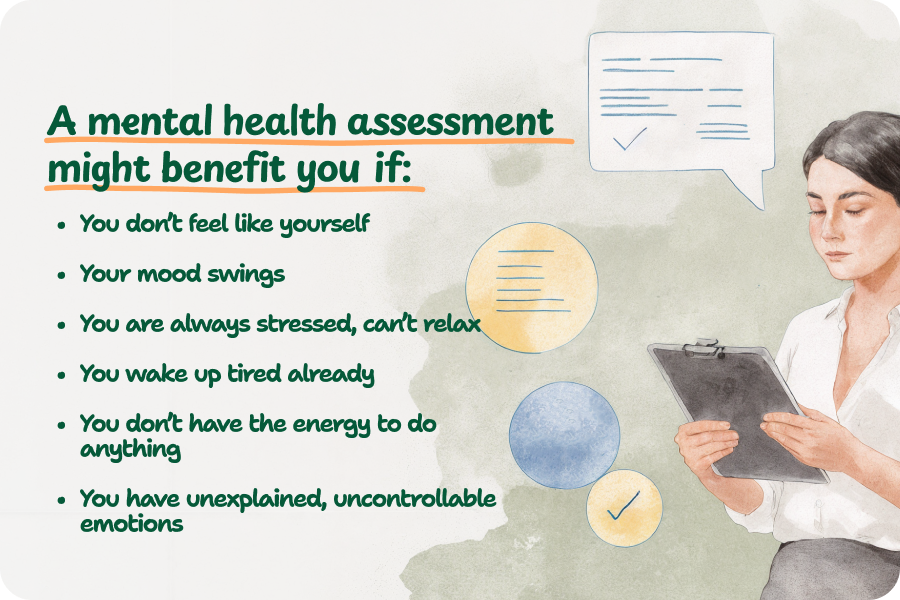
- Individuals who experience symptoms of mental conditions, such as:
- Persistent sadness and apathy
- Difficulty coping with school, family, work, social life, etc.
- Loss of interest
- Substance use (alcohol, prescribed medication, drugs, etc.)
- Suicidal thoughts
- People who want to get tested for specific conditions, such as Attention Deficit Hyperactivity Disorder (ADHD), depression, Generalized Anxiety Disorder (GAD), Borderline Personality Disorder (BPD), etc.
- People who want to improve their quality of life and relationships with others.
How to Prepare for a Mental Health Assessment
A mental health assessment can be an intimidating experience if it’s your first mental health check-up. Knowing what awaits you and preparing for that can soothe pre-assessment anxiety. Here’s how you can prepare.
Reflect on Your Concerns
Sometimes, the reason why you came in for an appointment is easy. Specific symptoms, challenges, insecurities, etc. But what do you do when you don’t have well-articulated requests?
Think about things in life that seem challenging for you:
- Are there certain feelings that bother you?
- Do you feel lost or hopeless?
- Was there something in the past that still concerns you?
- Do you act self-destructively?
- Do you have unexplained physical symptoms?
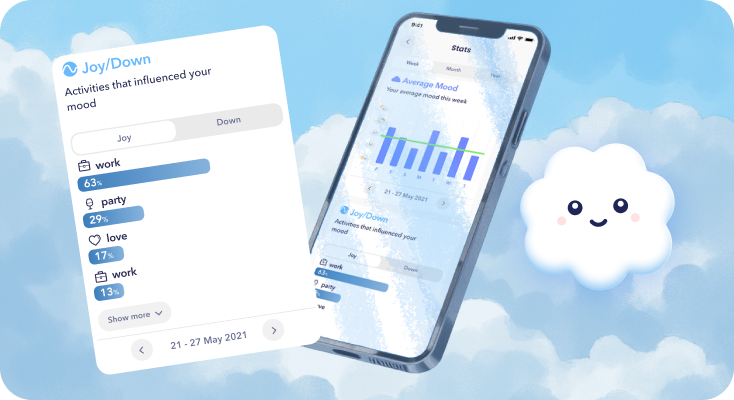
Take some time before your assessment, like a week, to journal and track your mood. With the Breeze Wellbeing app, you can do it in a few clicks without spending time on settings or searching for templates.
Prepare Notes
You may have some questions for your therapist that you want to talk through. Note them down so they don’t get lost in the process. You can ask your doctor anything from logistics to your personal treatment plan.
You can also prepare in advance by drafting answers to questions that clinicians ask in their interviews. For example, your symptoms, highlights from family history, or specific situations that illustrate your emotional state.
Dress Comfortably
Exploring your symptoms with a stranger can already feel quite uncomfortable. Reducing other inconveniences can make you feel freer in the process.
Dress comfortably, pack soothing gadgets and snacks, and make sure you feel safe. You have to trust your specialist and share concerns, even if they seem insignificant to you.
Bring a Family Member or a Friend
Having someone close by your side, a parent, partner, child, friend, can also reduce your anxiety and offer comfort. Inviting trusted people from a close circle can sometimes offer extra insights to a doctor.
However, if you don’t feel comfortable sharing your mental health concerns with anyone, it’s fine if you come in for an appointment alone as well.
Plan Post-Assessment Activities
Don’t plan anything important or overwhelming after a mental health assessment. Spend the rest of the day relaxing and reflecting on your meeting. Do something for yourself: take a walk, watch TV, or do something else that will recharge your batteries.
If you’re the person who wants to immediately take action, look into the recommendations given by a psychiatrist. You can also debrief the results with people you trust to get extra support.
Working on your mental health is a dynamic process. It might feel unclear and confusing in the beginning, but you’ll feel more confident and determined as it progresses.
Sources
- Rates of Detection of Mood and Anxiety Disorders in Primary Care: A Descriptive, Cross-Sectional Study. Primary Care Companion for CNS Disorders. 2011.
- Mental Illness. National Institute of Mental Health. September 2024.
- Americans Becoming More Open About Mental Health. APA. May 2019.
- Most Americans Want Doctors to Ask About Mental Health. Gallup. November 2024.
- IAPT at 10: Achievements and challenges. NHS England. February 2019.
Disclaimer
This article is for general informative and self-discovery purposes only. It should not replace expert guidance from professionals.
Any action you take in response to the information in this article, whether directly or indirectly, is solely your responsibility and is done at your own risk. Breeze content team and its mental health experts disclaim any liability, loss, or risk, personal, professional, or otherwise, which may result from the use and/or application of any content.
Always consult your doctor or other certified health practitioner with any medical questions or concerns
Breeze articles exclusively cite trusted sources, such as academic research institutions and medical associations, including research and studies from PubMed, ResearchGate, or similar databases. Examine our subject-matter editors and editorial process to see how we verify facts and maintain the accuracy, reliability, and trustworthiness of our material.
Was this article helpful?