


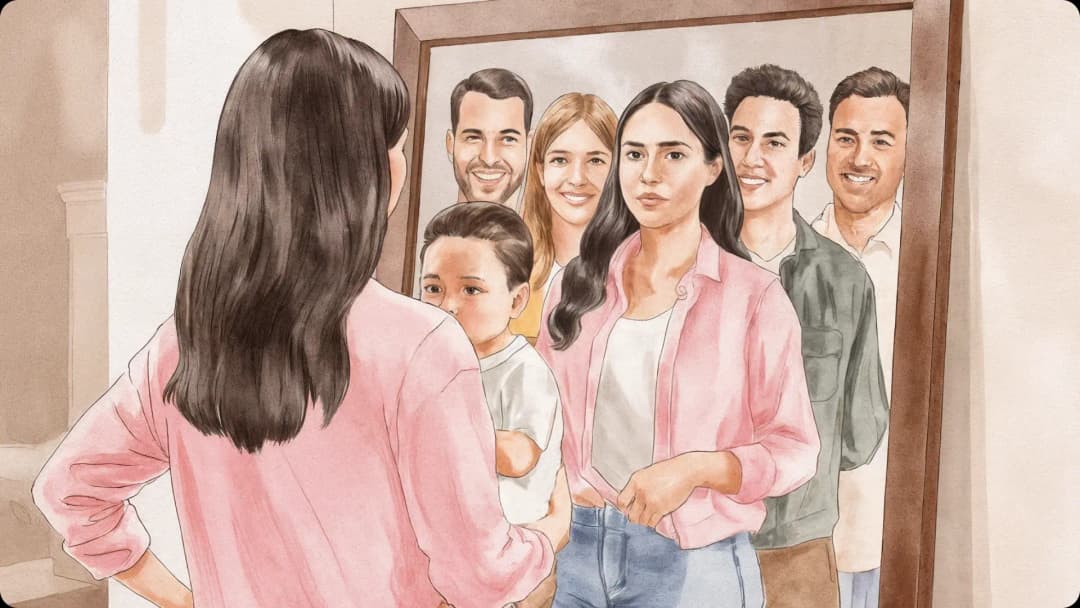
Have you ever looked in the mirror and wondered, “Who am I now?” or even, “I hate my life after having a baby”? In this article, you’ll discover why you may feel lost after giving birth, what contributes to this identity shift, and practical ways to reconnect with yourself while embracing new motherhood.
Take the insightful Breeze test to get a complete picture of your physical and mental well-being.

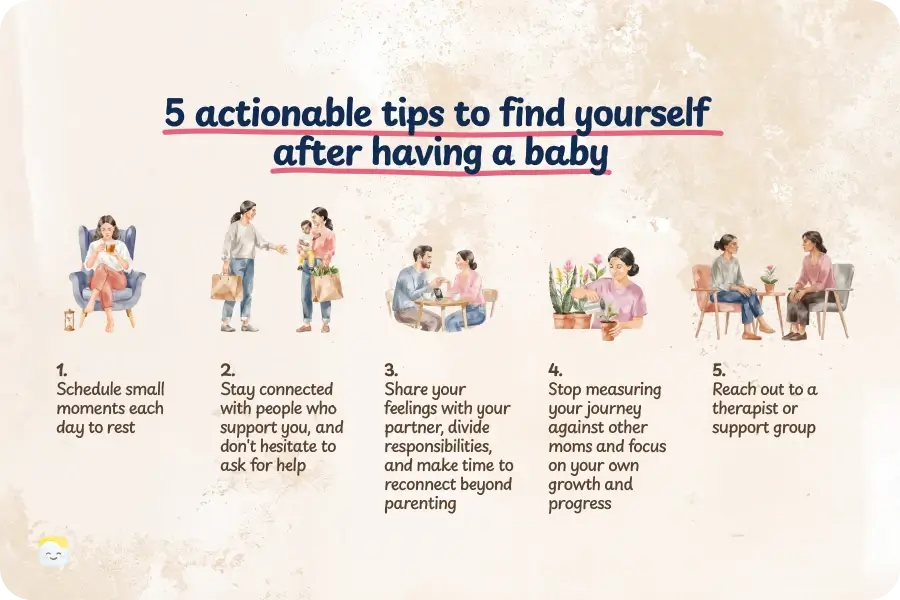
9 Self-Care Tips to Support Your Well-Being & Find Yourself After Motherhood
Motherhood changes nearly every aspect of life, such as your daily routine, priorities, relationships, body, career, and even your sense of identity. For months, your focus is centered on meeting someone else’s needs, often leaving little time or energy for your own.
Society often praises self-sacrifice, making it seem as though putting yourself first is selfish. In reality, caring for yourself is one of the best ways to care for your family.
1. Accept the New Version Of Yourself
One of the biggest obstacles to finding yourself again after motherhood is expecting to be exactly the person you were before pregnancy. You may think, “I feel like my life is over after having a baby.”
Instead of trying to “get your old life back,” give yourself permission to discover this new version of yourself:
- Write down what has changed. Divide a journal page into two columns: “Things I’ve Lost” and “Things I’ve Gained.” You may have lost spontaneity or free time, but you may have gained patience, confidence, resilience, and a deeper sense of purpose. Seeing both sides can help you appreciate your personal growth.
- Celebrate the woman you’re becoming. At the end of each week, write down three things you’re proud of. They don’t have to be big achievements. Maybe you asked for help, took time to rest, or handled a challenging day with patience.
- Take the Breeze personality test. Learning more about your personality type can help you reflect on your strengths, communication style, values, and natural preferences. It can also give you ideas for hobbies, careers, or self-care activities that align with who you are.

2. Make Time for Yourself Without Guilt
You don’t need hours of uninterrupted freedom to reconnect with yourself. Even 10 or 15 minutes each day can make a meaningful difference and remind you that you’re more than a caregiver.
Use that time to:
- Enjoy a cup of coffee without multitasking.
- Read a chapter of a book.
- Journal your thoughts.
- Take a quiet walk.
- Listen to your favorite podcast or music.
- Practice meditation or gentle stretching.
3. Identify What Still Makes You You
- List five things that define you outside of motherhood. These could be personality traits (kind, curious, creative), interests, or dreams. Remember, being a mom is an important part of your identity, but it isn’t your entire identity.
- Think back to the hobbies and interests you enjoyed before becoming a parent. Did you love dancing, writing, or photography? Those passions are still part of you, even if they’ve been sitting quietly in the background.
Expert Insight
The first year after giving birth can be very challenging for new parents, and new mothers especially. It’s a period of significant emotional changes and adjustment. Feelings of grief, irritability, and guilt are common. Many new mothers are grieving the loss of their previous identity. They may feel guilty for wanting to put their own well-being first. And a lack of sleep can lead to frequent irritability. These emotions can feel very overwhelming. If a new mother is experiencing persistent anxiety, sadness, and hopelessness, it could be a sign of postpartum depression or postpartum anxiety. In that case, a visit to a mental health professional is warranted.

Emily Mendez
Mental health professional
4. Stay Connected with Friends and Family
Motherhood can feel isolating, especially during the early months, research shows [2] Şahin A, Şahin F, Sezgin L. Reconstruction of Identity and Meaning in the Postpartum Period: Women’s Experiences of Social Vulnerability and Existential Transition-A Phenomenological Study. March 2026 . Reach out to friends, family members, or other parents who understand what you’re experiencing.
- Reconnect with one person each week. Send a text, make a phone call, or invite a good friend or family member over for coffee. Even a 15-minute conversation with someone who cares about you can help you feel less alone.
- Join a moms’ group. Look for local baby classes, stroller walking groups, library story times, breastfeeding support groups, or new-parent meetups. Connecting with other moms who are going through similar experiences can provide reassurance, practical advice, and lasting friendships.
- Stay connected to friends without children. Your identity isn’t limited to motherhood. Make time to talk about topics other than kids. Maintaining old friendships can help you feel more like yourself.
- Schedule regular time for yourself. If you have a partner, family member, or trusted friend who can help, arrange a recurring hour each week that’s just for you. Use that time to exercise, read, meet a friend, or simply relax without responsibilities.
Expert Insight
Our society tends to make new mothers believe that they should feel happy and thankful all the time. The fact is that most new mothers experience a wide range of emotions, including frustration, irritability, self-doubt, and guilt. Another common myth is that new mothers must always put their own needs last. This can make a new mother feel guilty for asking for help and even maintaining work and hobbies outside of parenting. Social media can contribute to this by showing idealized versions of motherhood. It’s important to recognize that these are all myths. There is no such thing as a perfect parent. Everyone’s experience is different.
Emily Mendez
Mental health professional
5. Take Care of Your Body With Kindness
Your body has accomplished something extraordinary. Rather than focusing solely on “bouncing back,” focus on nourishing yourself through healthy meals, restful sleep whenever possible, and plenty of hydration. Treat your body as a partner, not a project to fix.
6. Be honest with Your Partner About How You’re Feeling
Healthy communication creates space for both parents to grow into their new roles together:
- Share responsibilities fairly. Sit down together and divide household tasks and baby care based on what feels manageable for both of you.
- Schedule regular check-ins. Set aside 10–15 minutes once or twice a week to talk about how you’re both doing. Ask each other questions like, “What’s been the hardest part of this week?” and “How can I support you better?”
- Talk about more than the baby. Make time for conversations about your interests, future plans, favorite TV shows, work, or current events. Typically, reconnecting as partners—not just parents—helps you maintain your relationship and your sense of self.
- Protect time together. If possible, ask a trusted family member or friend to watch the baby so you can enjoy a walk, share a meal, or watch a movie together.
- Express appreciation. Parenting is challenging for both you and your partner. Thank each other for the small things to encourage teamwork.
7. Let Go of Comparison
According to research, social media and social comparison may create parental burnout in which rest is physically possible but psychologically incomplete [3] Bogdán PM, Varga K, Tóth L, Gróf K, Pakai A. Parental Burnout: A Progressive Condition Potentially Compromising Family Well-Being-A Narrative Review. July 2025 .
- Unfollow accounts that make you feel inadequate. Pay attention to how you feel after scrolling. If certain accounts leave you feeling anxious, guilty, or like there’s something wrong with you, consider muting or unfollowing them. Choose content that makes you feel supported, inspired, or understood.
- Create your own definition of a good mother. Your worth as a mother is not measured by how quickly you return to work, lose baby weight, keep a perfect home, or follow someone else’s parenting style. Think about the qualities you want to bring to motherhood, such as patience, love, presence, and kindness.
- Practice gratitude for your own journey. Each day, write down one thing you appreciate about yourself or your experience as a mother. This can help shift your focus from what you think is missing to what you are already doing well.
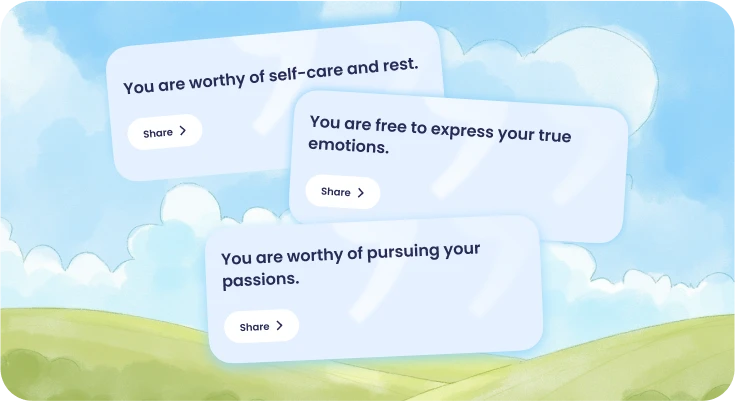
Daily positive affirmations in the Breeze app can help you replace self-criticism and irritation with patience, understanding, and kindness toward yourself and your partner during this major transition.
8. Ask for Help When You Need It
Be specific when asking for help. People tend to be more willing to help when they know exactly what you need.
Don’t be afraid to say yes to help. If someone offers to cook a meal, fold laundry, or hold the baby while you shower, accept the offer.
9. Talk To A Mental Health Professional If Needed
If you’re feeling depressed, persistently overwhelmed, anxious, or isolated, talking with a therapist can be a step toward caring for both yourself and your family. The most effective approaches include:
- Cognitive Behavioral Therapy (CBT) can help you identify and change unhelpful thought patterns that contribute to anxiety, guilt, or feelings of inadequacy. For example, a therapist can help you work through thoughts like “I’m failing as a parent” and replace them with more compassionate perspectives.
- Acceptance and Commitment Therapy (ACT) focuses on accepting difficult emotions while reconnecting with your personal values. This approach can help you make space for feelings of sadness, frustration, or uncertainty while still taking meaningful steps toward the life and identity you want to build.
- Interpersonal Therapy (IPT) can help you cope with relationship challenges, improve communication, and adjust to your new role as a mother.
- Postpartum support groups. Connecting with other mothers who are experiencing similar emotions can reduce feelings of loneliness and isolation. Support groups provide a place to share experiences, learn coping strategies, and realize that many challenges of parenting are more common than they may seem.
Frequently asked questions
1. Is it normal to feel like you've lost yourself after having a baby?
Yes. Many new mothers struggle to adjust to their new identity after giving birth. Your responsibilities, routine, relationships, and priorities change significantly, so it’s completely normal to feel disconnected from the person you were before. With time, self-care, and support, most women gradually rediscover themselves while embracing their new life.
2. How long does it take to feel like yourself again after having a baby?
There is no set timeline. Some mothers begin feeling more like themselves within a few months, while others need a year or longer. Factors such as sleep, physical recovery, emotional well-being, support from loved ones, and returning to hobbies or work can all influence the process. Be patient with yourself and avoid comparing your journey to others.
3. Why do I feel like my life is over after having a baby?
Feeling this way is more common than many people realize, especially during the newborn stage when life changes dramatically. A loss of freedom, sleepless nights, hormonal changes, and adjusting to new responsibilities can make it seem like you’ve lost your old life. These feelings often improve as you settle into your new routine. However, if they persist or become overwhelming, it’s important to speak with your healthcare provider or a mental health professional.
4. What are the first steps to finding yourself again after having a baby?
Begin by accepting that it’s okay to change. Focus on small actions that help you reconnect with yourself, such as maintaining friendships, returning to a favorite hobby, creating a simple daily routine, setting personal goals, and asking for help when you need it.
5. When should I seek professional help?
If you feel persistently sad, hopeless, worried, or emotionally disconnected for more than two weeks—or if these feelings interfere with your ability to care for yourself or your baby—reach out to your healthcare provider or a licensed mental health professional. Postpartum depression and postpartum anxiety are common, treatable conditions.
Sources
- Rachel Minkin and Juliana Menasce Horowitz. Parenting in America Today. January 2023
- Şahin A, Şahin F, Sezgin L. Reconstruction of Identity and Meaning in the Postpartum Period: Women’s Experiences of Social Vulnerability and Existential Transition-A Phenomenological Study. March 2026
- Bogdán PM, Varga K, Tóth L, Gróf K, Pakai A. Parental Burnout: A Progressive Condition Potentially Compromising Family Well-Being-A Narrative Review. July 2025
Disclaimer
This article is for general informative and self-discovery purposes only. It should not replace expert guidance from professionals.
Any action you take in response to the information in this article, whether directly or indirectly, is solely your responsibility and is done at your own risk. Breeze content team and its mental health experts disclaim any liability, loss, or risk, personal, professional, or otherwise, which may result from the use and/or application of any content.
Always consult your doctor or other certified health practitioner with any medical questions or concerns
Breeze articles exclusively cite trusted sources, such as academic research institutions and medical associations, including research and studies from PubMed, ResearchGate, or similar databases. Examine our subject-matter editors and editorial process to see how we verify facts and maintain the accuracy, reliability, and trustworthiness of our material.
Was this article helpful?